
Powering Somalia’s Next Generation of Green Entrepreneurs
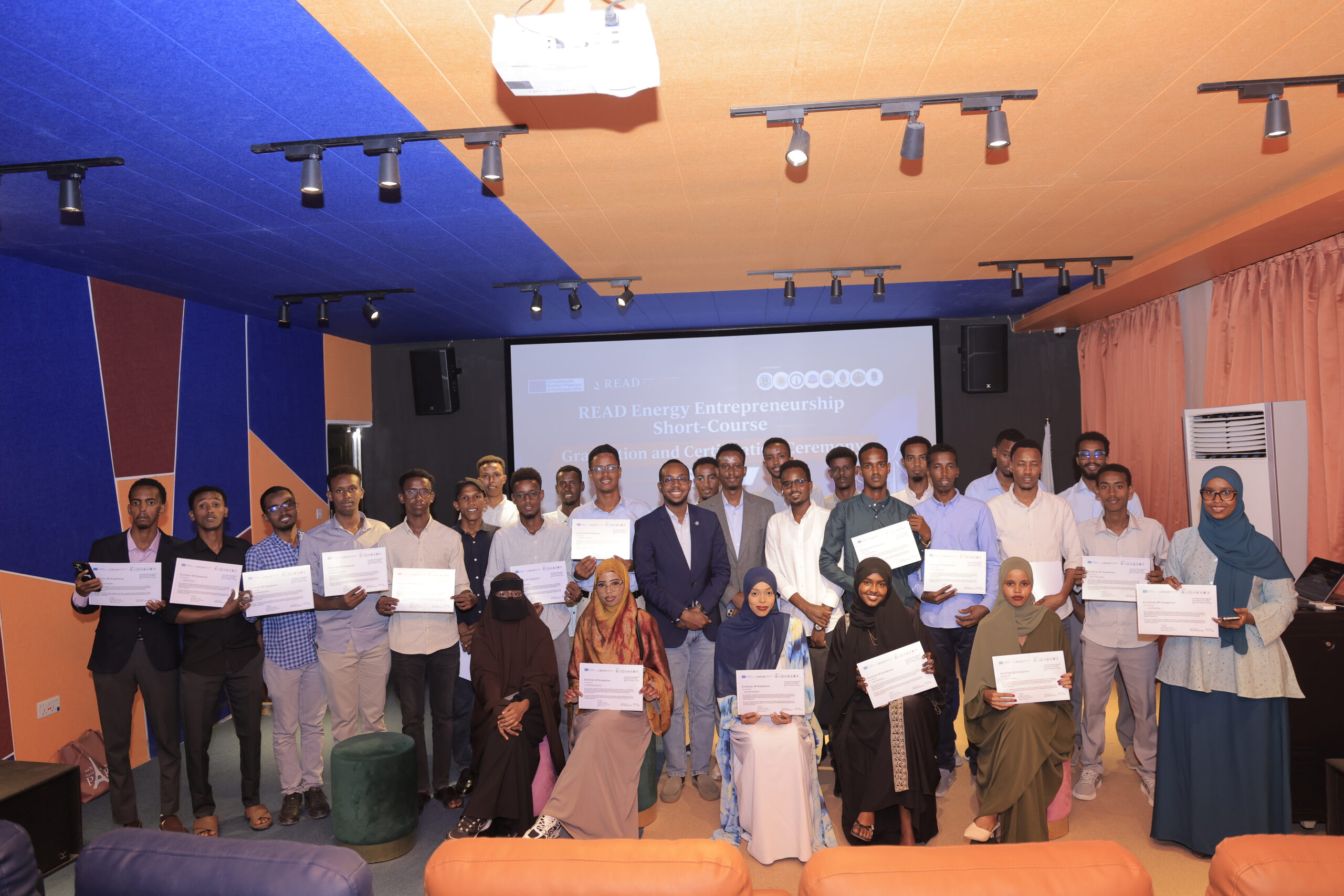
Six renewable energy startup concepts emerged from an intensive entrepreneurship programme at ICE Institute, SIMAD University, connecting practical business education with Somalia’s energy transition and economic development priorities. Mogadishu, Somalia | 21 November 2026 What does Somalia’s energy transition look like beyond solar panels and electricity generat
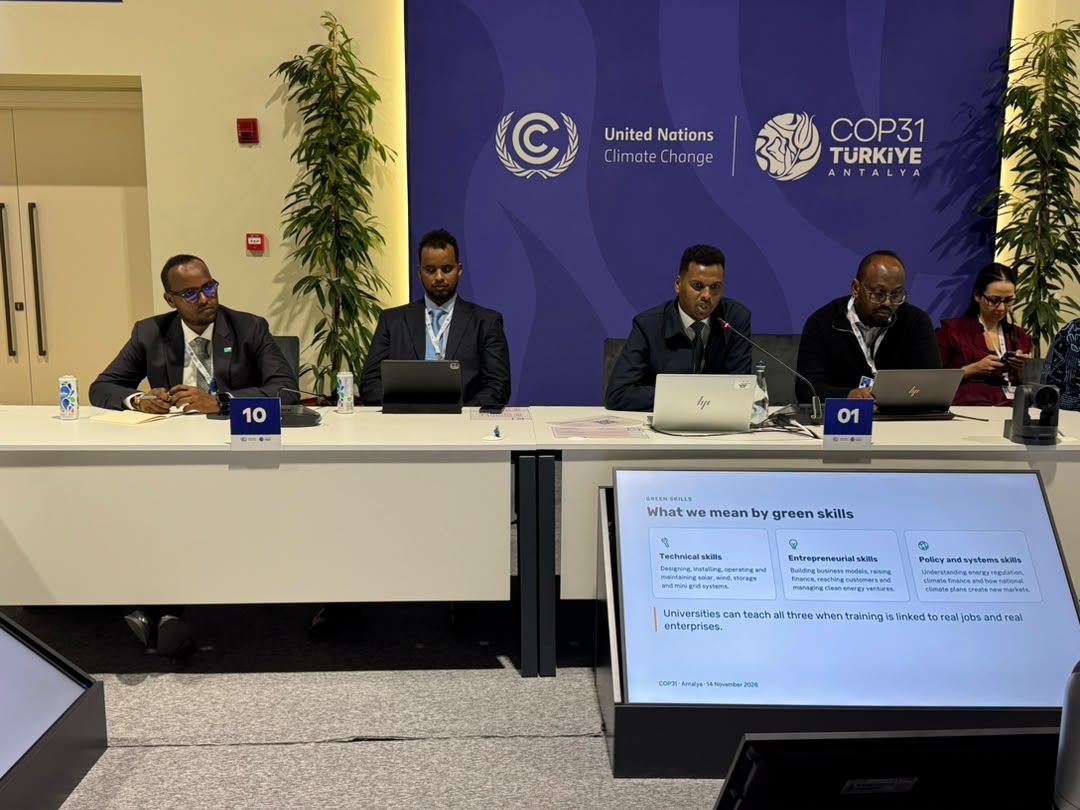
ICE Institute Champions Green Skills at COP31
Africa’s clean energy transition needs more than investment and technology. It requires skilled people, capable institutions, innovative enterprises, and international partnerships that deliver lasting local impact. At COP31 in Antalya, Türkiye, the Institute of Climate and Environment (ICE) at SIMAD University convened a side meeting titled “Green Skills for
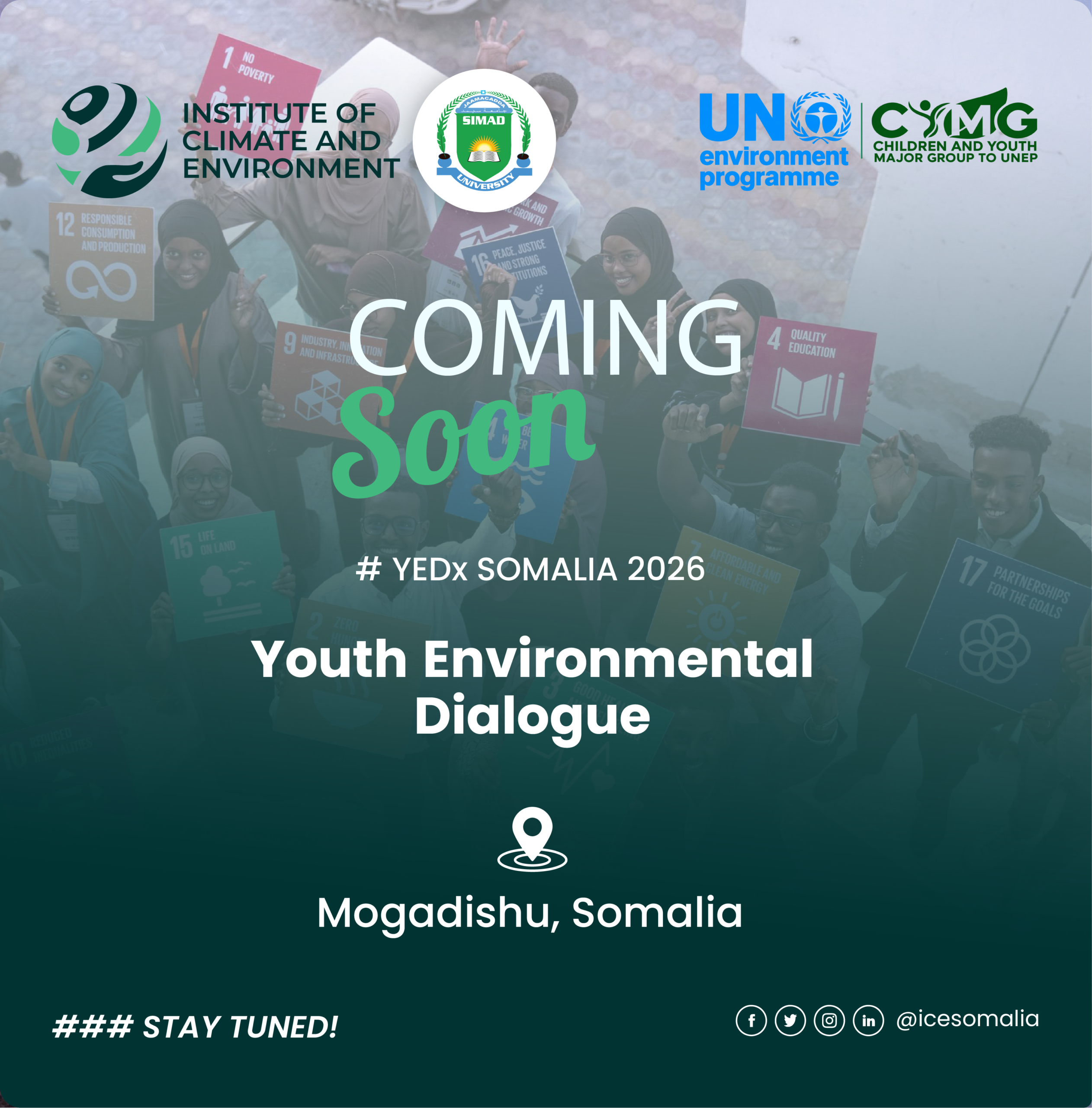
ICE Institute to Host YEDx Somalia 2026
The Institute of Climate and Environment (ICE) at SIMAD University is pleased to announce its official approval to host the Youth Environmental Dialogue (YEDx) Somalia 2026, following confirmation from the Children and Youth Major Group (CYMG) to the United Nations Environment Programme (UNEP). Scheduled for 22 December 2026 in Mogadishu, the dialogue will bring toget
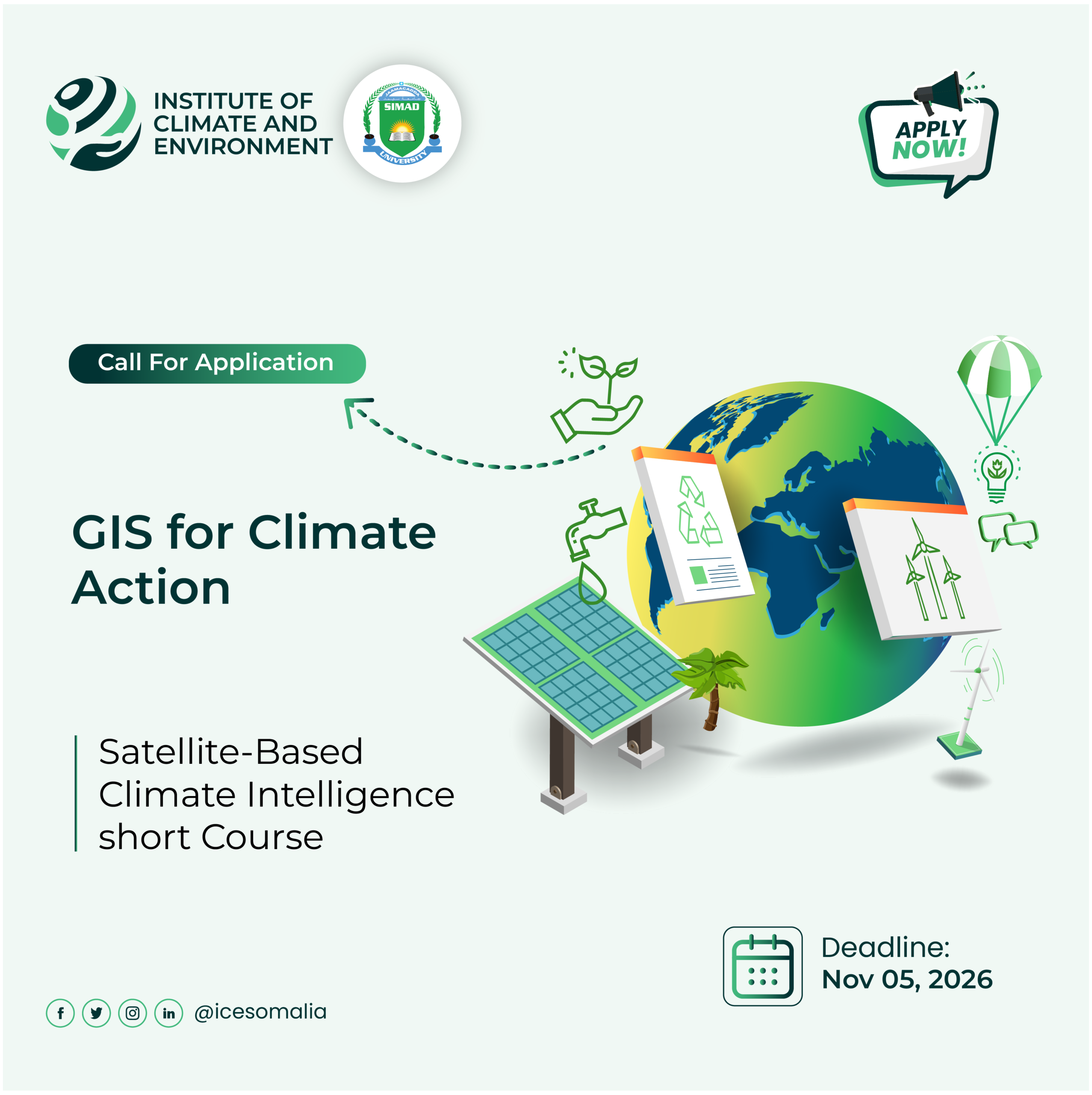
GIS for Climate Action: Applications Open for University Students in Somalia
The Institute of Climate and Environment (ICE) at SIMAD University is pleased to announce a call for applications for GIS for Climate Action: Satellite-Based Climate Intelligence for Somalia and the Horn of Africa, a one-month intensive training programme designed to equip university students with practical skills in geospatial technologies, satellite Earth observatio
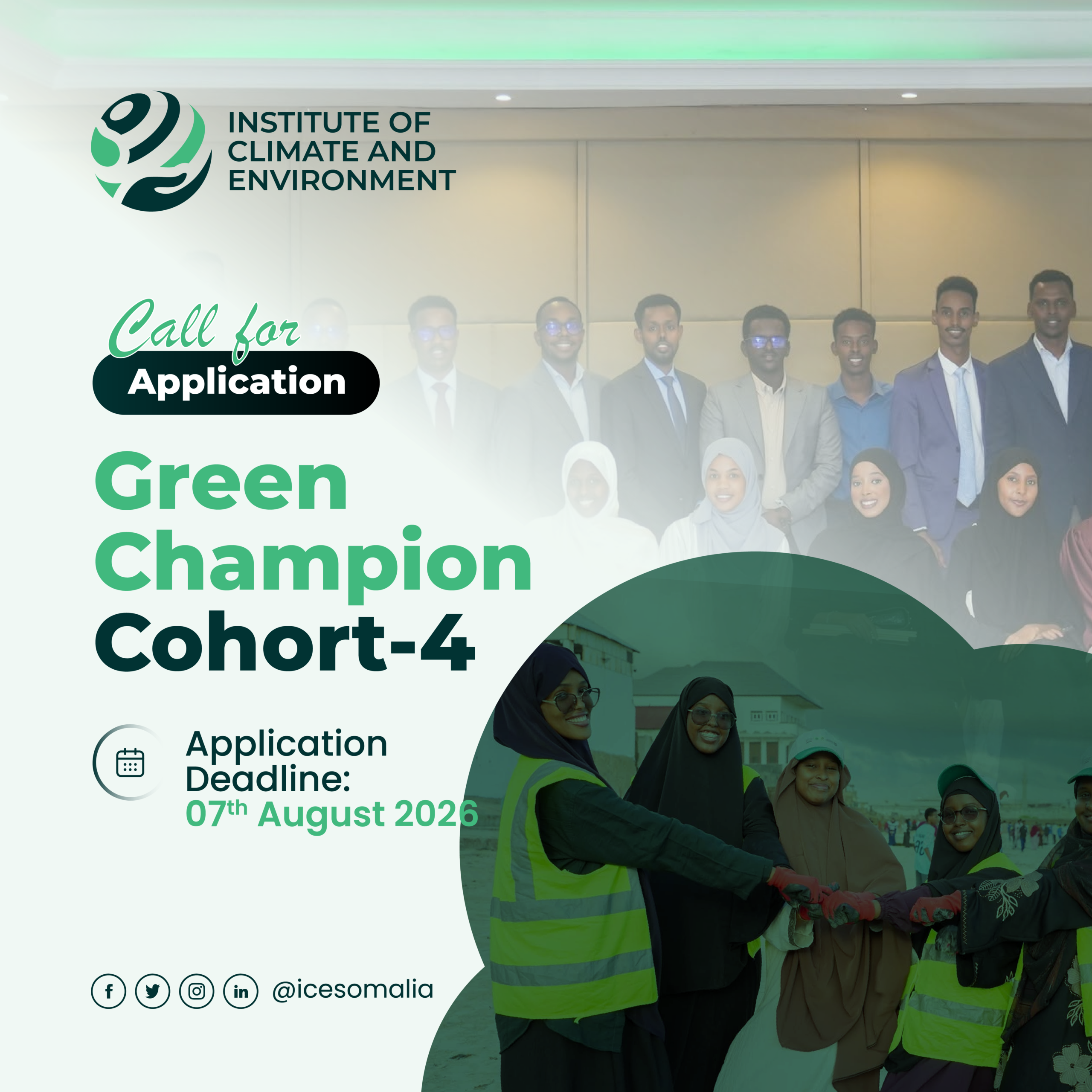
Applications Open: Become a Green Champion 2026
The Institute of Climate and Environment (ICE) at SIMAD University is excited to announce that applications are now open for the Green Champions Cohort 2026. Green Champions is more than a volunteer programme. It is a competitive leadership and capacity-building initiative that equips passionate university students with the knowledge, practical skills, mentorship, and
ICE Institute Participates in Emerging Adaptation Fellowship Writeshop in Accra
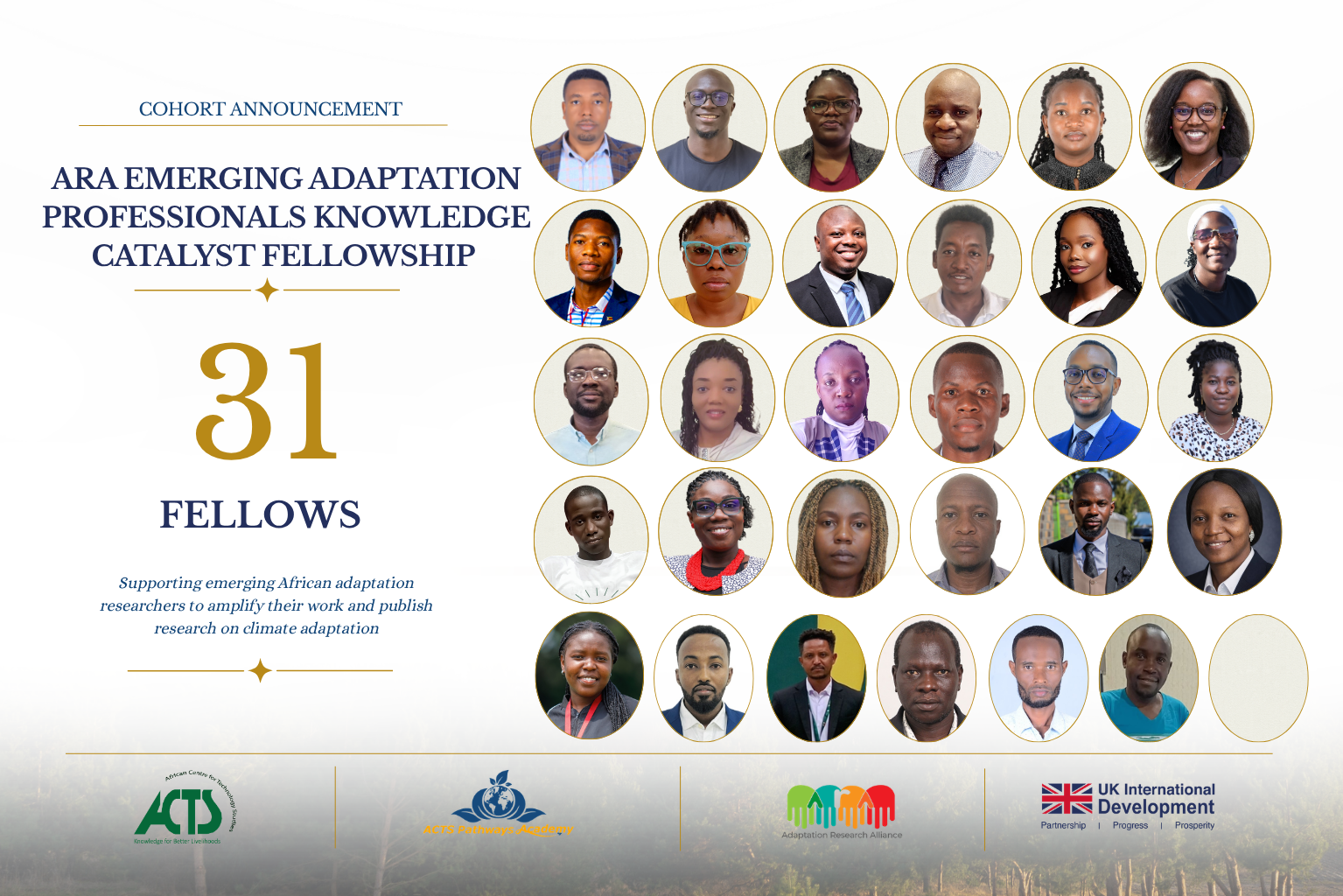
The Institute of Climate and Environment (ICE Institute) at SIMAD University is proud to announce that its Director, Mohamed Okash, was selected as one of 31 Emerging Adaptation Professionals (EAPs) from across Africa for the prestigious Adaptation Research Alliance (ARA) Knowledge Catalyst Fellowship. The six-month fellowship, running from March to August 2026, is im
World Environment Day 2026
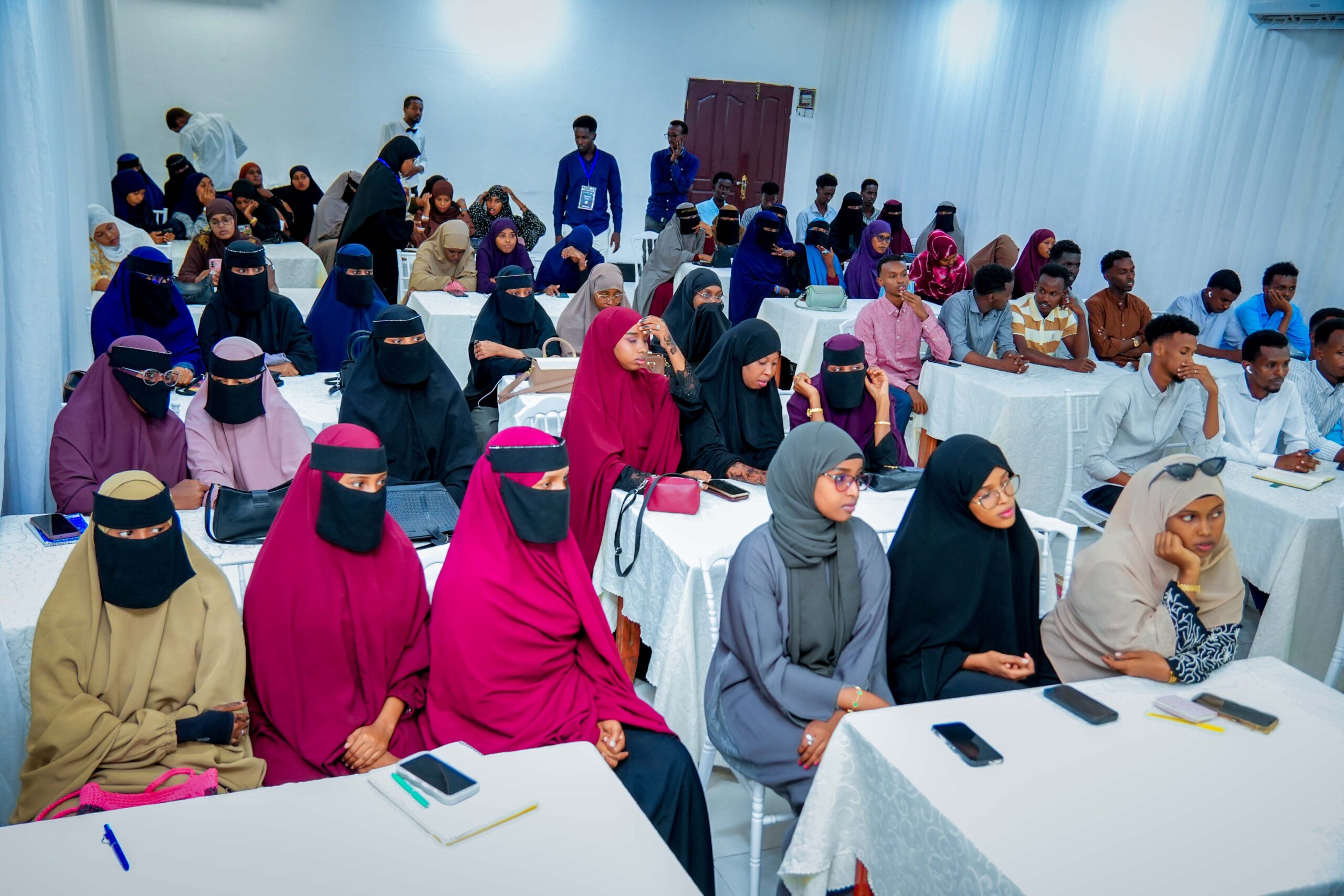
The READ Project successfully hosted a seminar in Mogadishu on “Renewable Energy in Somalia for Sustainable Development and a Climate Resilient Future.” The event brought together students, academics, government representatives, civil society organisations, and renewable energy stakeholders to discuss the role of clean energy in advancing sustainable devel
Reflections from the OECD Conference on the Future of Development Co-operation 2026
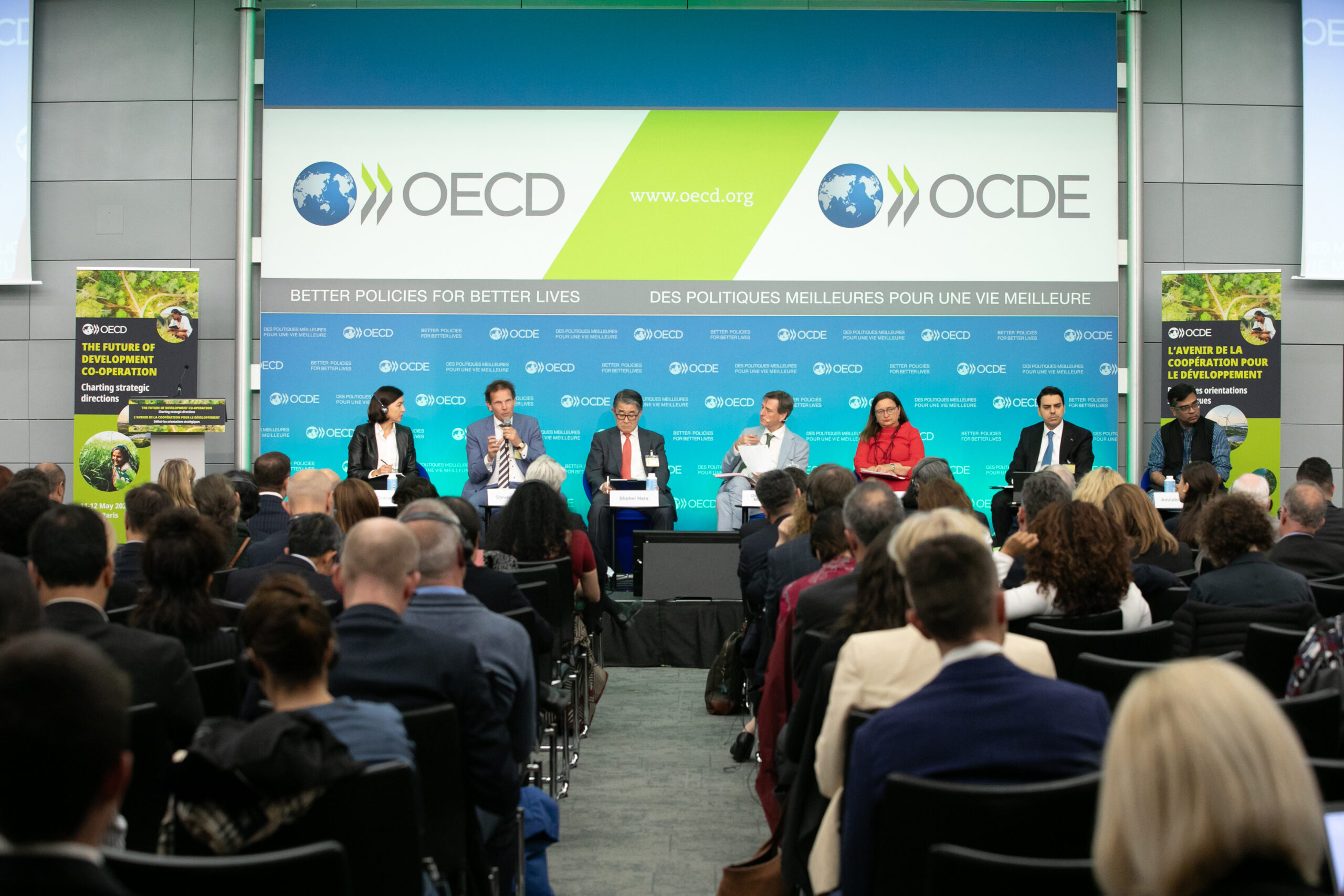
International development co-operation is entering a defining moment. Long-standing assumptions about aid, partnerships, financing, and global governance are being reshaped by geopolitical fragmentation, climate shocks, debt pressures, technological disruption, and growing demands for measurable impact. Against this backdrop, the Future of Development Co-operation Con
State of Climate in Somalia 2026: Trends, Risks, and Pathways to Resilience
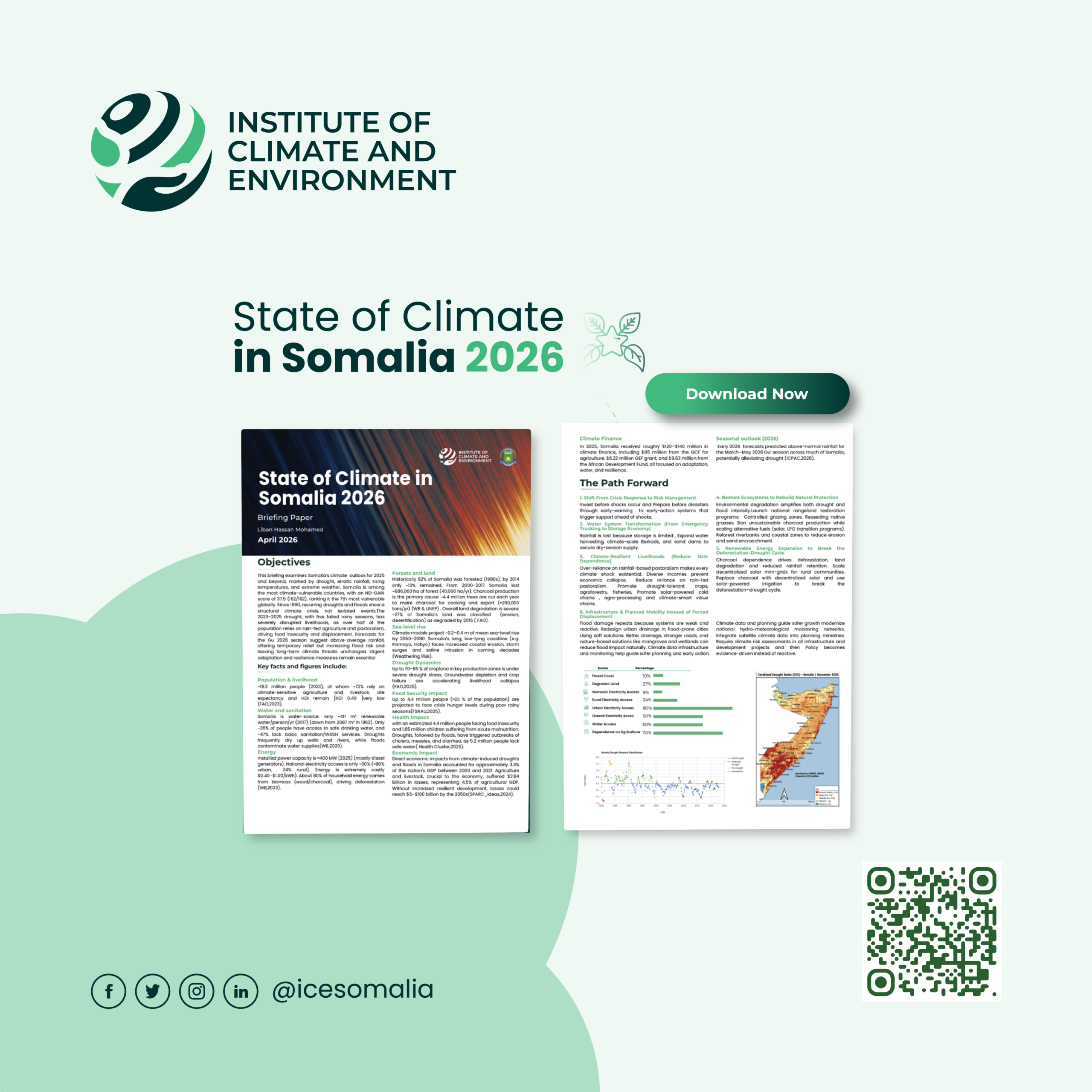
Somalia is facing an escalating climate crisis marked by recurrent droughts, erratic rainfall, rising temperatures, and increasing extreme weather events. Ranked among the world’s most climate-vulnerable countries with an ND-GAIN score of 37.5 (162/192), Somalia’s climate challenges are no longer isolated shocks but a persistent structural risk affecting livelihoo
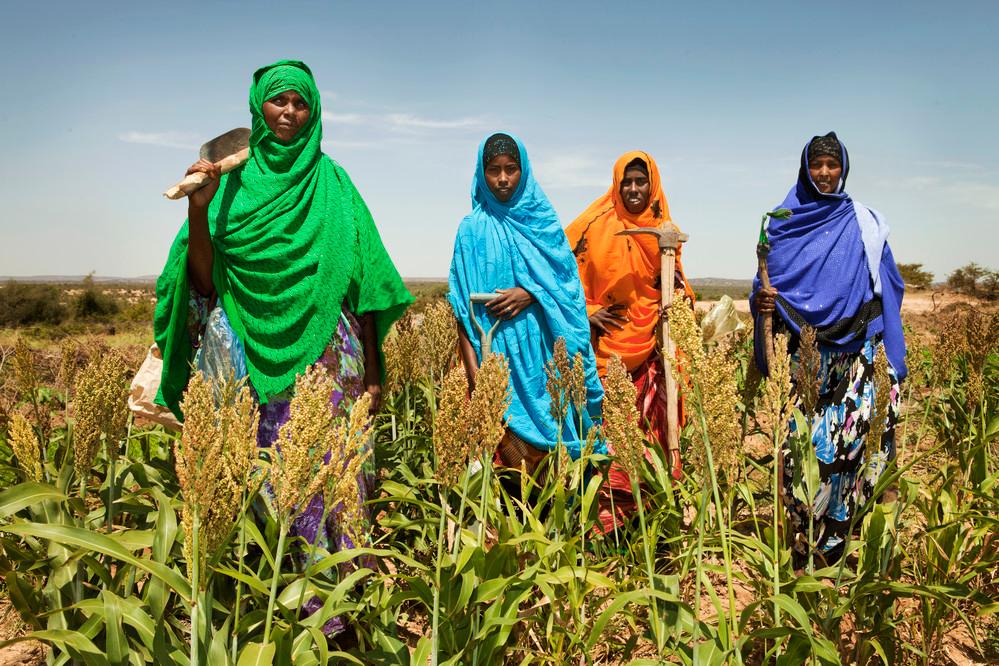
Protecting harvests means protecting Somalia: why disaster management for agricultural areas is essential
Somalia’s food security depends on how well the country manages floods in its agricultural areas. Disaster management is still focused on towns and settlements, yet floods regularly destroy crops, fields and rural infrastructure – with direct consequences for markets, prices and livelihoods. Disaster management for agricultural areas is the part of disaster risk m