
Agricultural development and food production in East Africa: The role ofwater availability, environmental degradation, and institutional quality
How can East Africa produce more food while facing growing water scarcity, climate pressures, and institutional challenges? A new study examines agricultural production across 15 East African countries between 2002 and 2022, revealing that investment in agricultural development and reliable water availability are the strongest drivers of increased food production. The
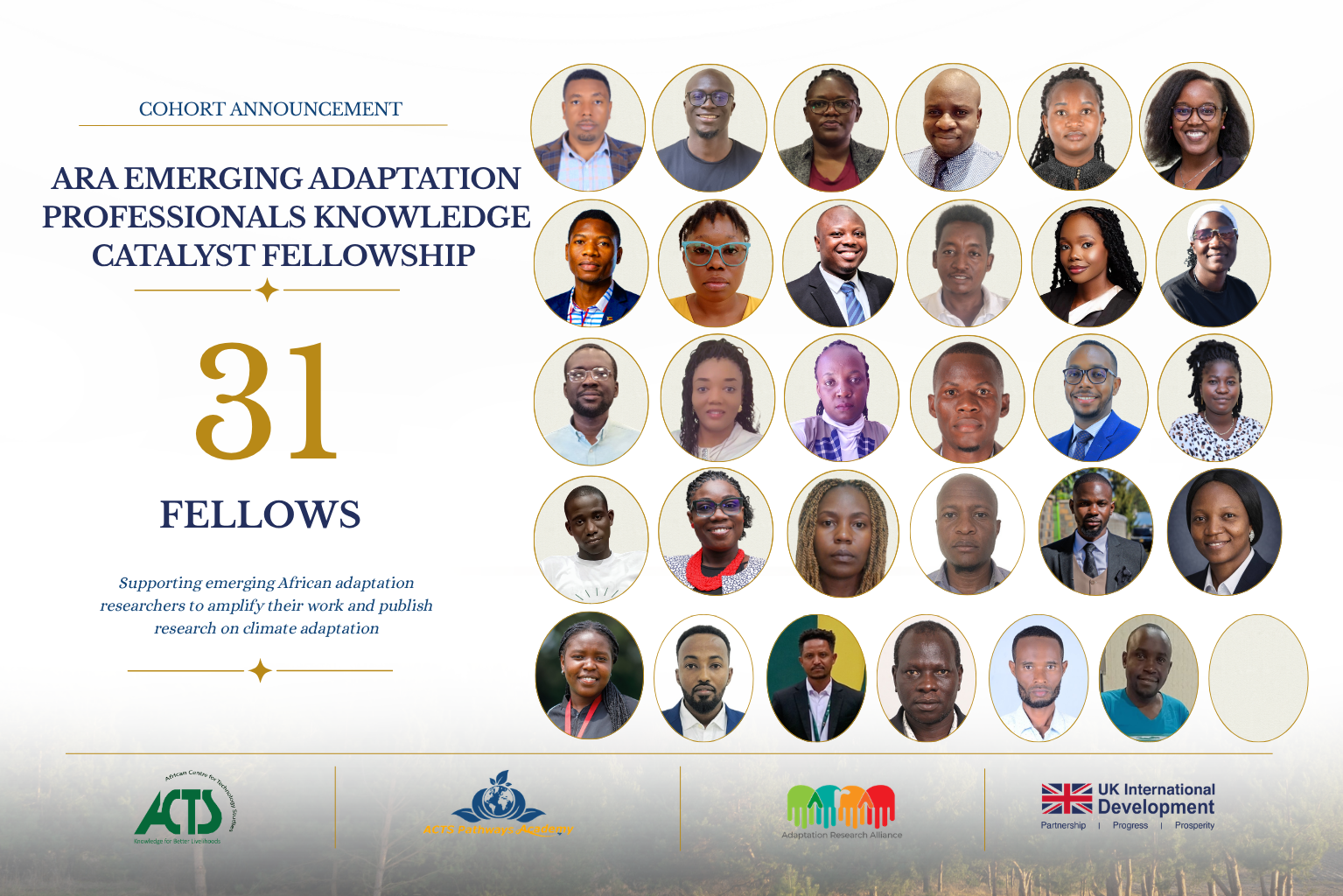
ICE Institute Participates in Emerging Adaptation Fellowship Writeshop in Accra
The Institute of Climate and Environment (ICE Institute) at SIMAD University is proud to announce that its Director, Mohamed Okash, was selected as one of 31 Emerging Adaptation Professionals (EAPs) from across Africa for the prestigious Adaptation Research Alliance (ARA) Knowledge Catalyst Fellowship. The six-month fellowship, running from March to August 2026, is im
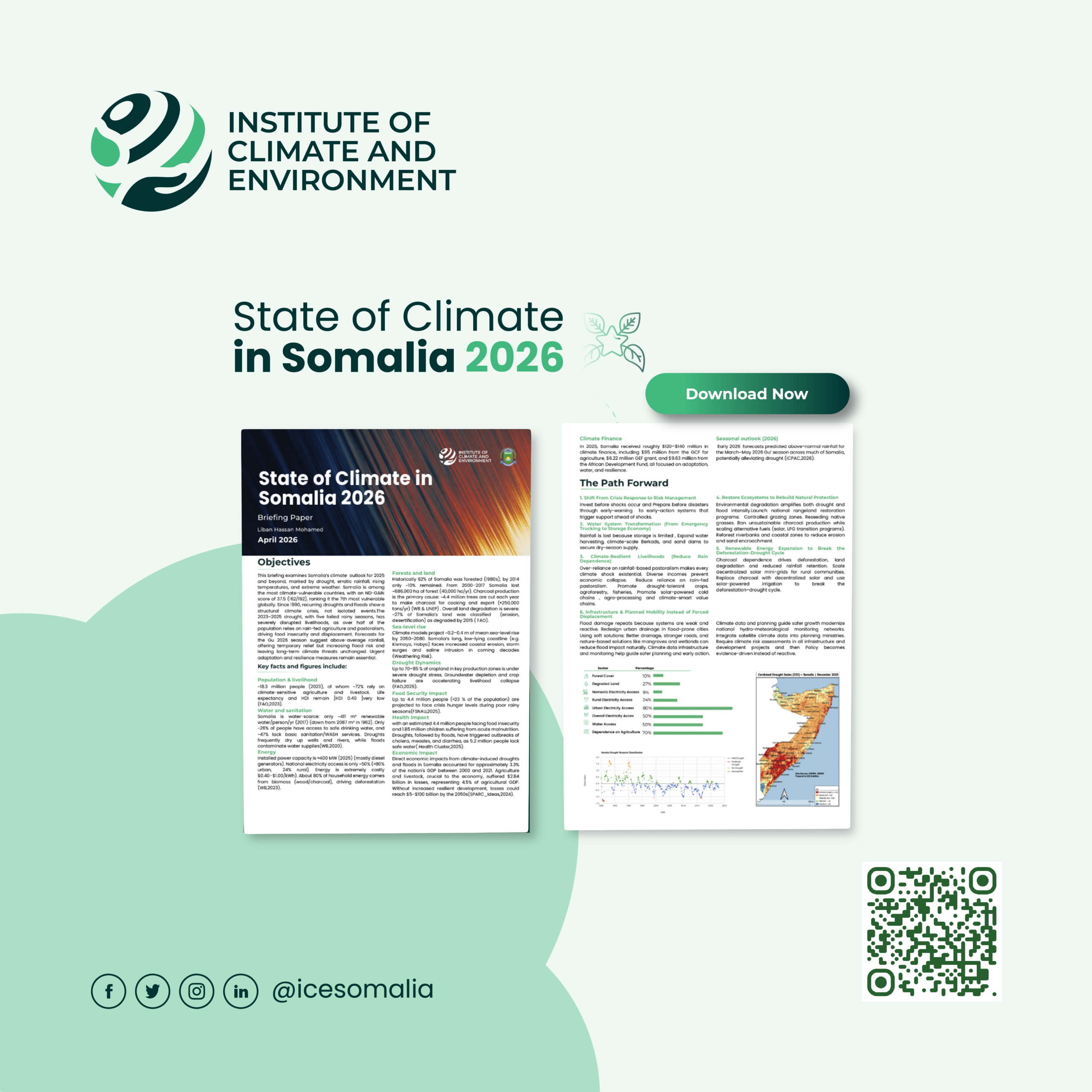
State of Climate in Somalia 2026: Trends, Risks, and Pathways to Resilience
Somalia is facing an escalating climate crisis marked by recurrent droughts, erratic rainfall, rising temperatures, and increasing extreme weather events. Ranked among the world’s most climate-vulnerable countries with an ND-GAIN score of 37.5 (162/192), Somalia’s climate challenges are no longer isolated shocks but a persistent structural risk affecting livelihoo
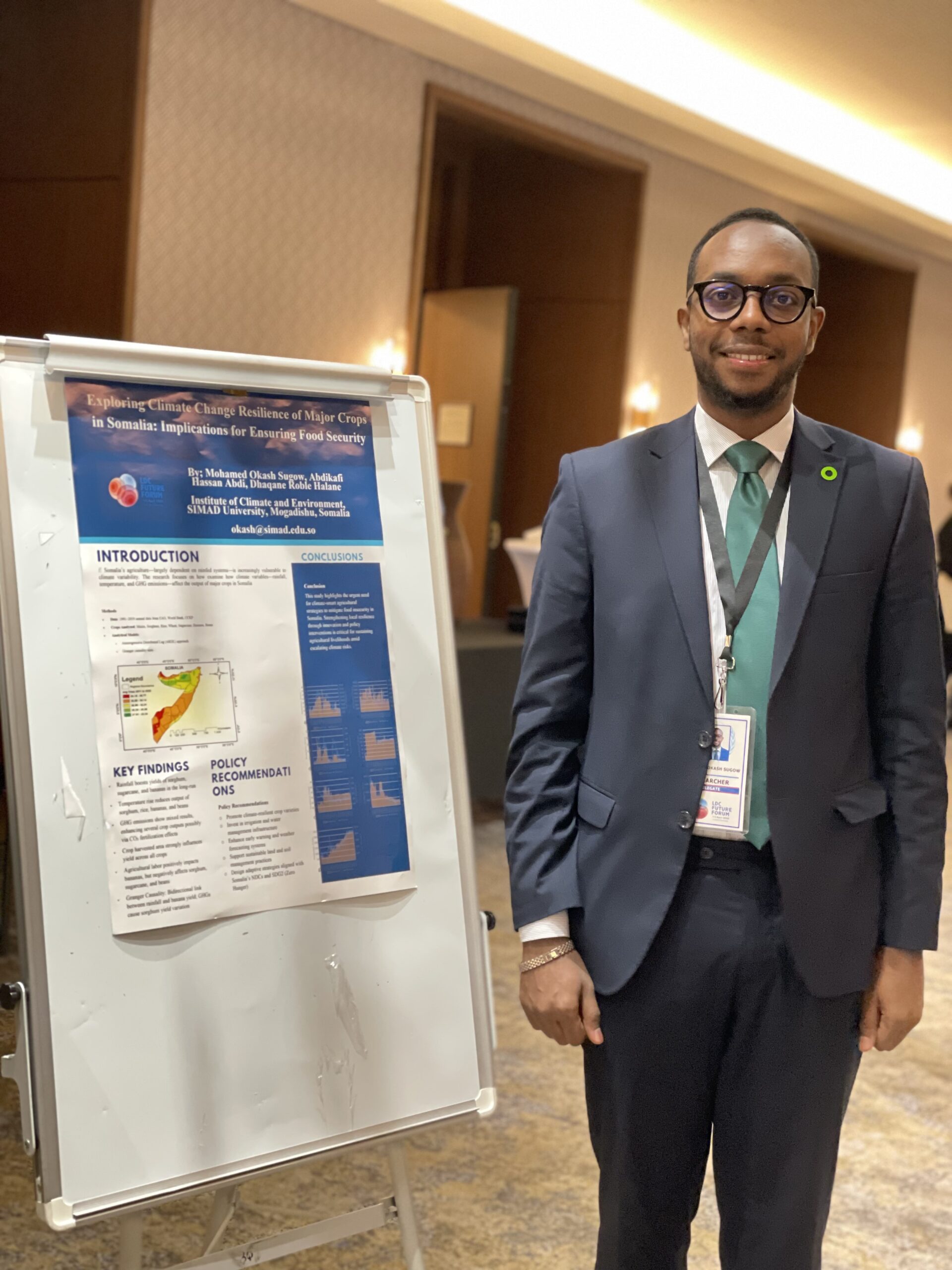
ICE Institute participates at the Third LDC Future Forum 2025
The Third LDC Future Forum 2025 brought together high-level policymakers, researchers, development practitioners, youth leaders, and innovators from across Least Developed Countries (LDCs) to engage in a global dialogue on resilience-building. The Forum focused on the intersection of climate, economy, health, and social protection—seeking African-led and South-drive