
Somalia Is a Dryland Nation: Why Restoring Our Land Matters
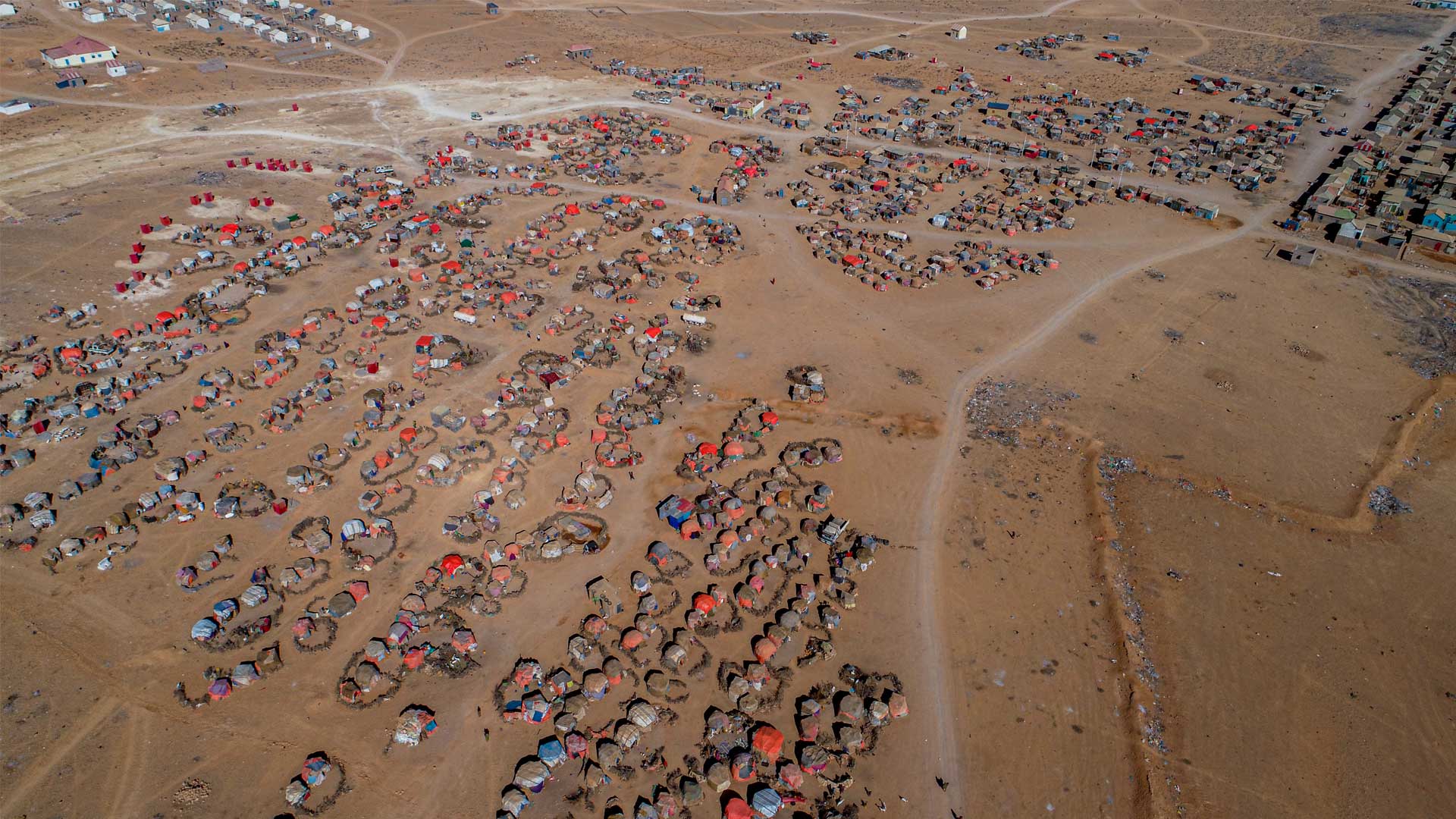
As governments gather in Mongolia for UNCCD COP17, Somalia has a strong reason to pay attention: more than 80% of the country is arid or semi-arid. For Somalia, drylands are not empty spaces. They are productive landscapes that support livestock, pastoralism, agriculture, biodiversity, water systems and millions of livelihoods. Dry does not mean degraded Drylands [&he

Anticipating El Niño in Somalia: Building Climate Resilience
As the likelihood of another El Niño event increases, Somalia stands at a critical moment to shift from responding to disasters toward anticipating them. Anticipating El Niño in Somalia: Building Climate Resilience examines why flooding is becoming more frequent and destructive, drawing lessons from the devastating 2023 Deyr floods and assessing the country’s
Agricultural development and food production in East Africa: The role ofwater availability, environmental degradation, and institutional quality
How can East Africa produce more food while facing growing water scarcity, climate pressures, and institutional challenges? A new study examines agricultural production across 15 East African countries between 2002 and 2022, revealing that investment in agricultural development and reliable water availability are the strongest drivers of increased food production. The
ICE Institute Participates in Emerging Adaptation Fellowship Writeshop in Accra
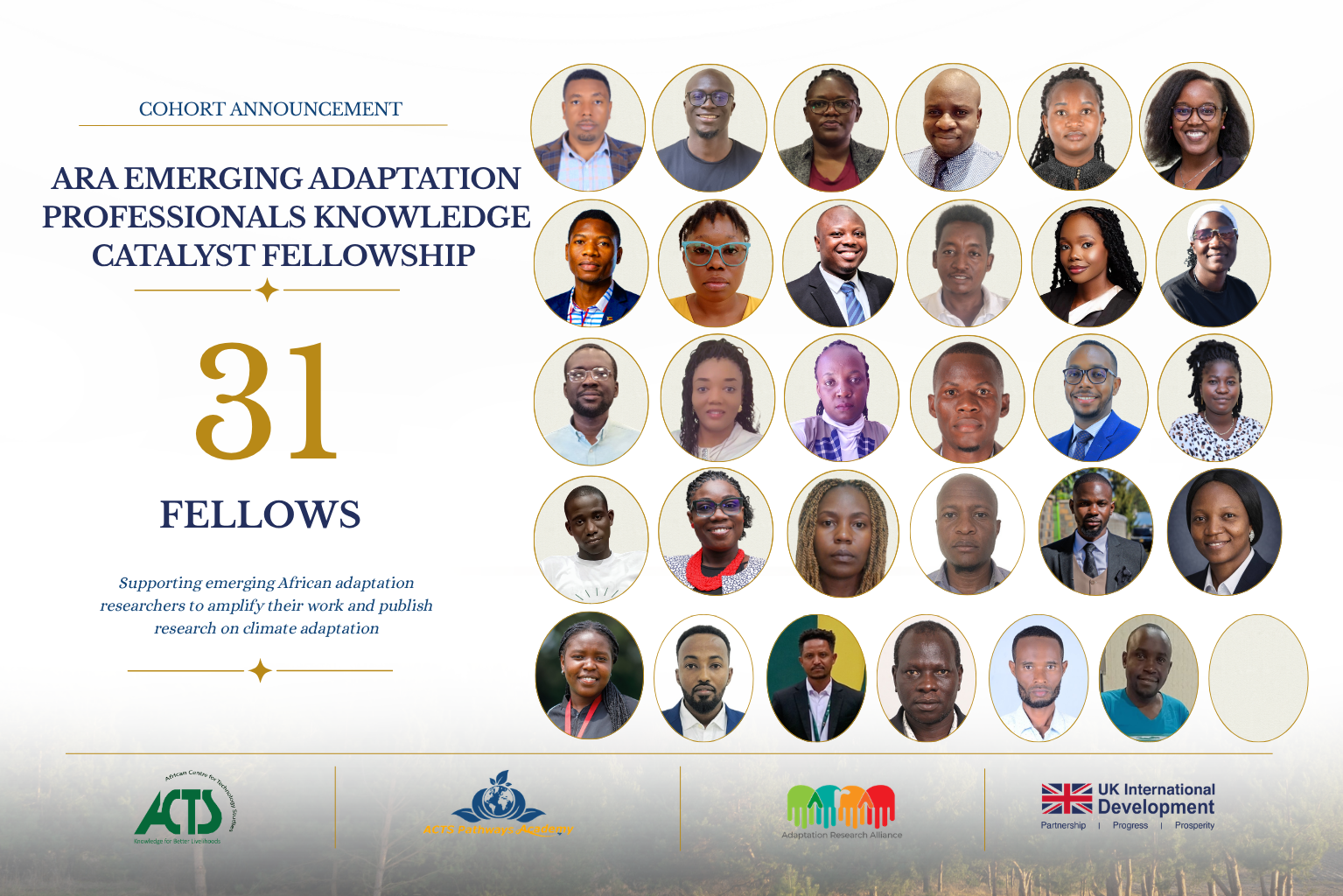
The Institute of Climate and Environment (ICE Institute) at SIMAD University is proud to announce that its Director, Mohamed Okash, was selected as one of 31 Emerging Adaptation Professionals (EAPs) from across Africa for the prestigious Adaptation Research Alliance (ARA) Knowledge Catalyst Fellowship. The six-month fellowship, running from March to August 2026, is im