

Green Champions 2025–2026: Youth Climate Action in Somalia
The Green Champions Cohort Three Annual Report 2025–2026 highlights a year of youth-led climate education, environmental action, and community engagement under the ICE Institute at SIMAD University. Through three flagship programmes, nine Climate Curriculum Integration Series sessions, school outreach, environmental campaigns, and major climate events, the cohort re
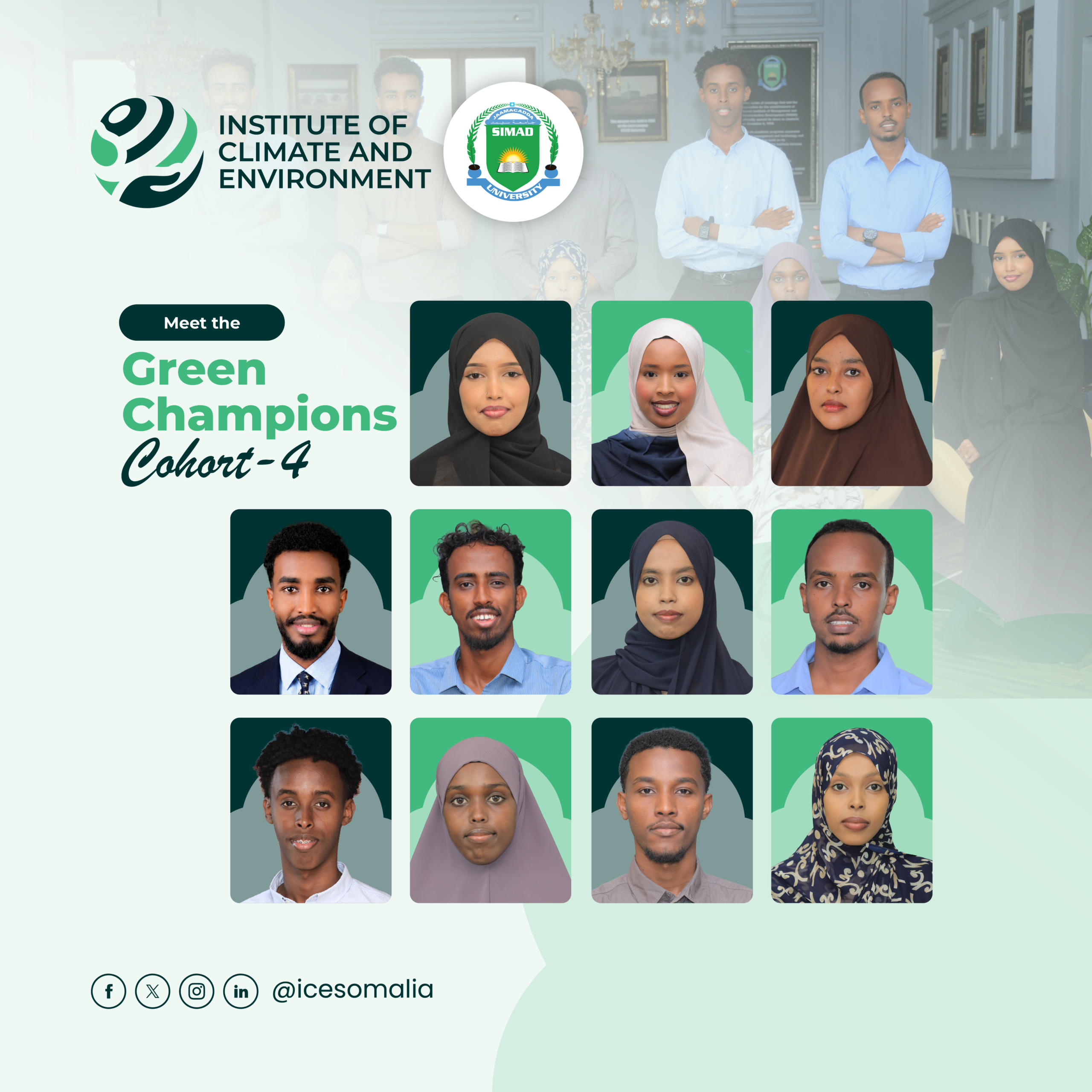
Meet the Green Champions Cohort 2026–2027
The Institute of Climate and Environment (ICE) at SIMAD University is pleased to announce the Green Champions Cohort of 2026–2027, welcoming a new generation of young leaders committed to advancing climate action and environmental sustainability in Somalia. The Green Champions Program is ICE Institute’s student leadership and volunteer initiative designed to ident
Somalia Is a Dryland Nation: Why Restoring Our Land Matters
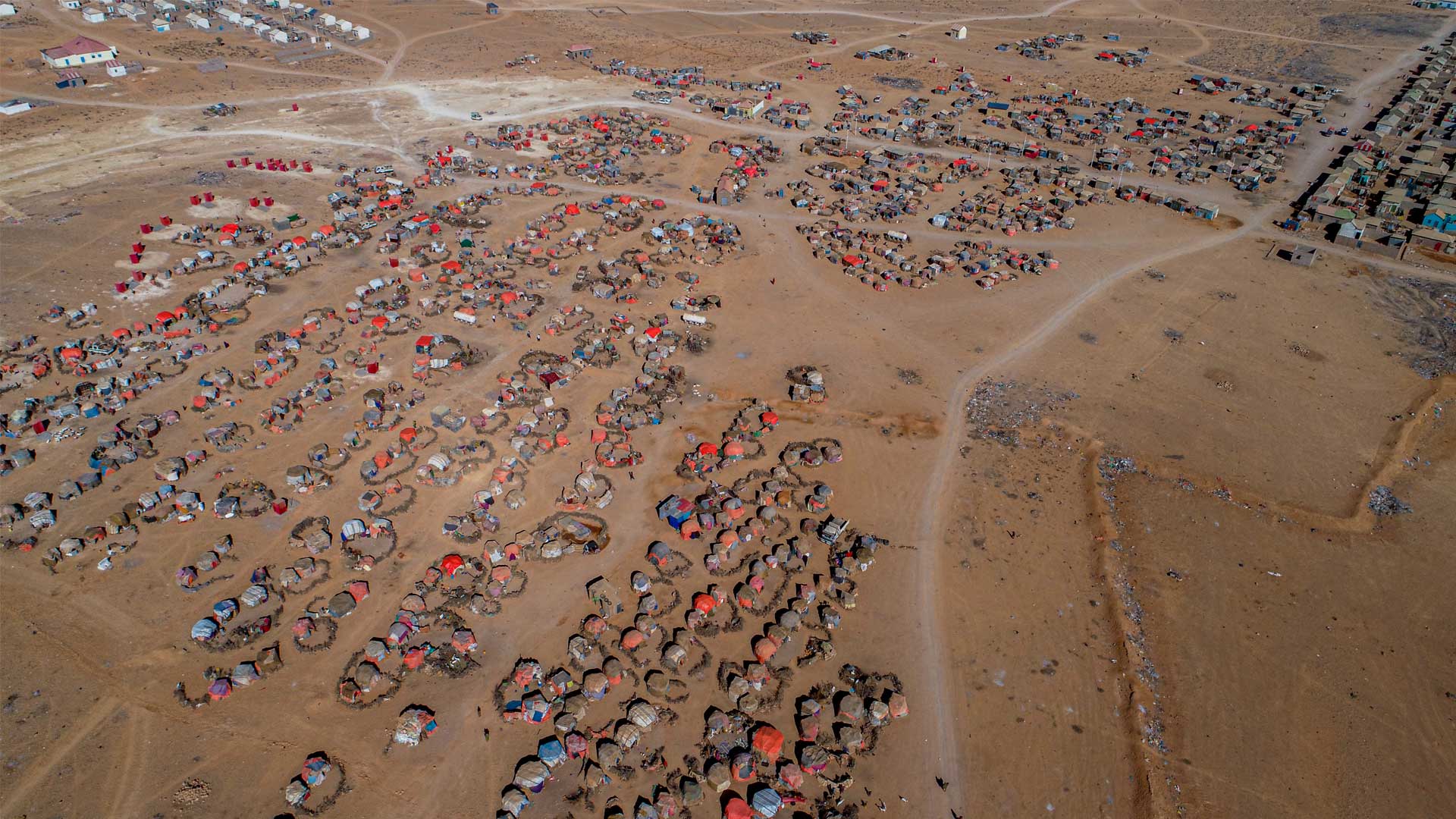
As governments gather in Mongolia for UNCCD COP17, Somalia has a strong reason to pay attention: more than 80% of the country is arid or semi-arid. For Somalia, drylands are not empty spaces. They are productive landscapes that support livestock, pastoralism, agriculture, biodiversity, water systems and millions of livelihoods. Dry does not mean degraded Drylands [&he

Anticipating El Niño in Somalia: Building Climate Resilience
As the likelihood of another El Niño event increases, Somalia stands at a critical moment to shift from responding to disasters toward anticipating them. Anticipating El Niño in Somalia: Building Climate Resilience examines why flooding is becoming more frequent and destructive, drawing lessons from the devastating 2023 Deyr floods and assessing the country’s
Applications Open: Become a Green Champion 2026
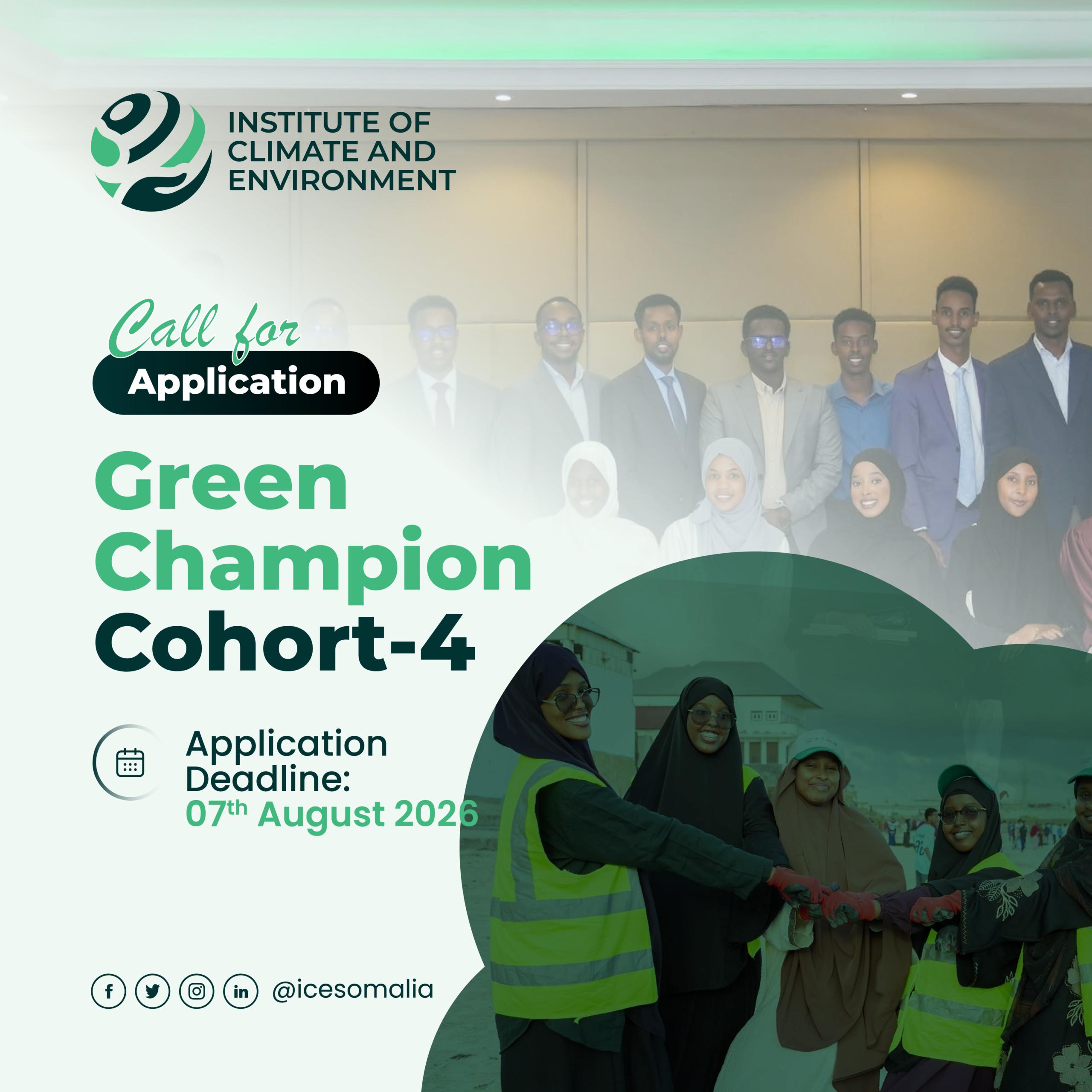
The Institute of Climate and Environment (ICE) at SIMAD University is excited to announce that applications are now open for the Green Champions Cohort 2026. Green Champions is more than a volunteer programme. It is a competitive leadership and capacity-building initiative that equips passionate university students with the knowledge, practical skills, mentorship, and
Agricultural development and food production in East Africa: The role ofwater availability, environmental degradation, and institutional quality
How can East Africa produce more food while facing growing water scarcity, climate pressures, and institutional challenges? A new study examines agricultural production across 15 East African countries between 2002 and 2022, revealing that investment in agricultural development and reliable water availability are the strongest drivers of increased food production. The
ICE Institute Participates in Emerging Adaptation Fellowship Writeshop in Accra
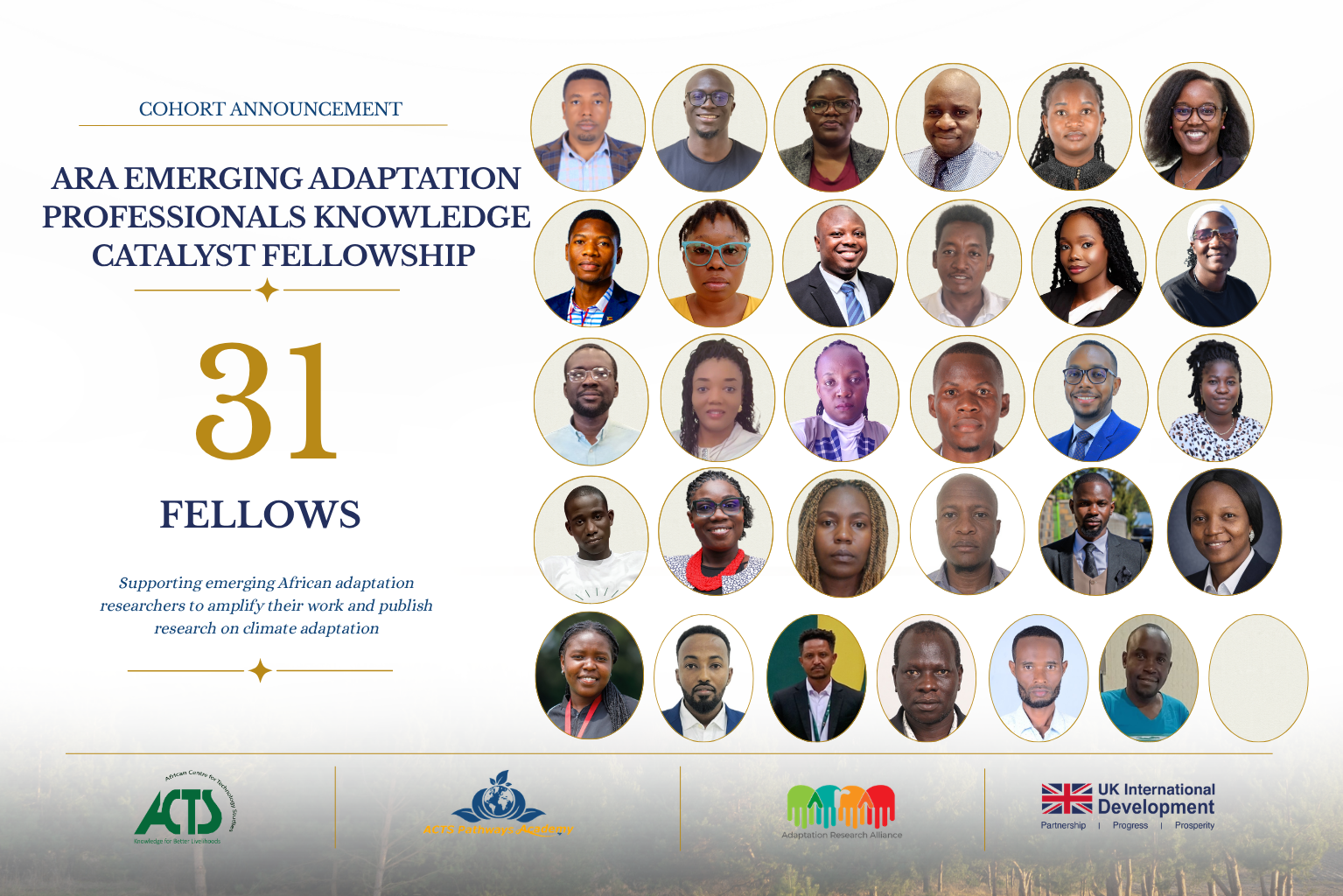
The Institute of Climate and Environment (ICE Institute) at SIMAD University is proud to announce that its Director, Mohamed Okash, was selected as one of 31 Emerging Adaptation Professionals (EAPs) from across Africa for the prestigious Adaptation Research Alliance (ARA) Knowledge Catalyst Fellowship. The six-month fellowship, running from March to August 2026, is im
World Environment Day 2026
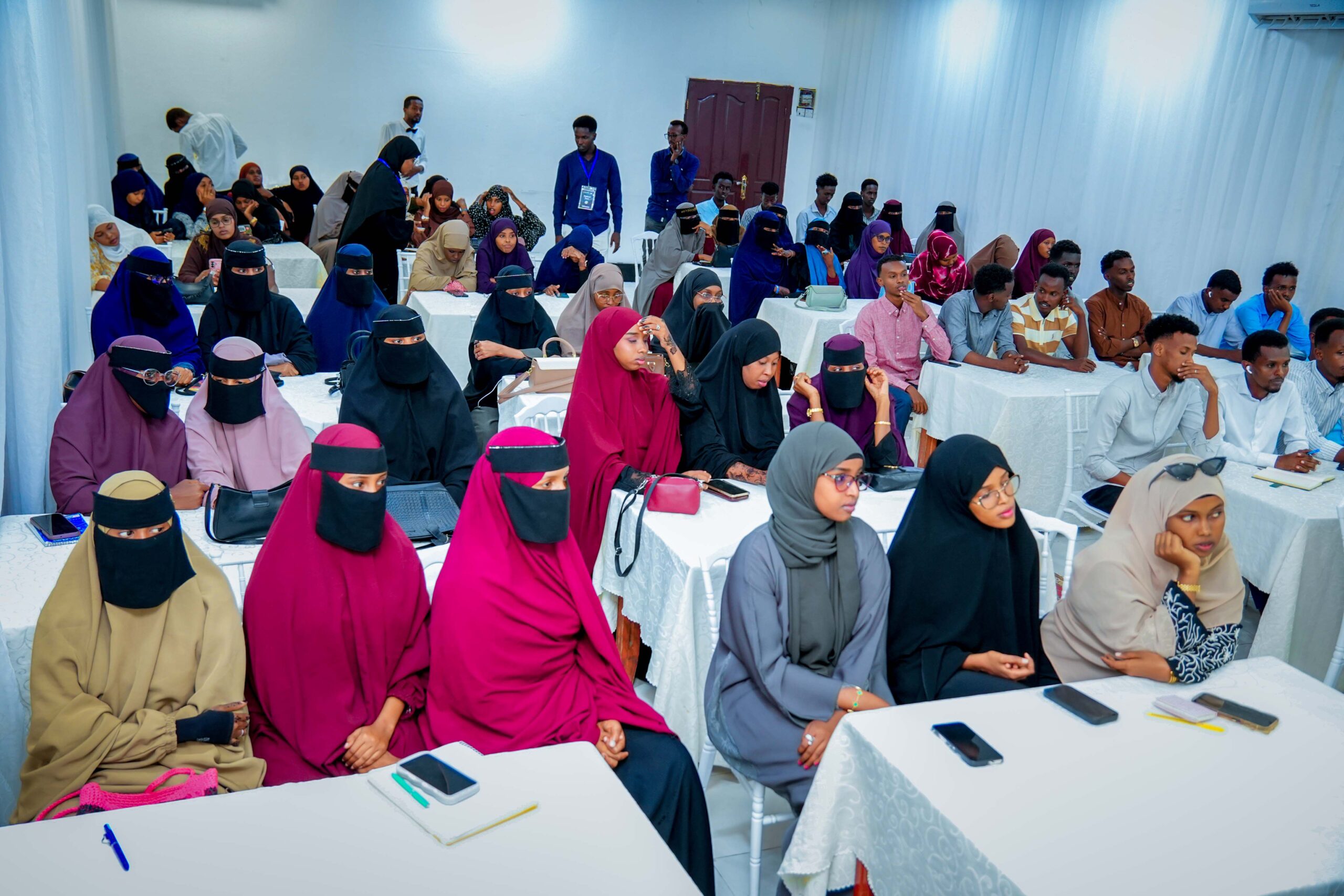
The READ Project successfully hosted a seminar in Mogadishu on “Renewable Energy in Somalia for Sustainable Development and a Climate Resilient Future.” The event brought together students, academics, government representatives, civil society organisations, and renewable energy stakeholders to discuss the role of clean energy in advancing sustainable devel
An Integrated Approach to Sustainable Food Production Systems: A Case Study of Somalia
A newly published study by researchers from the Institute of Climate and Environment (ICE) and the Faculty of Economics explores the structural factors shaping food production in Somalia. Moving beyond conventional agricultural perspectives, the research examines how fisheries, industrial development, governance quality, and income inequality interact to influence lon
Reflections from the OECD Conference on the Future of Development Co-operation 2026
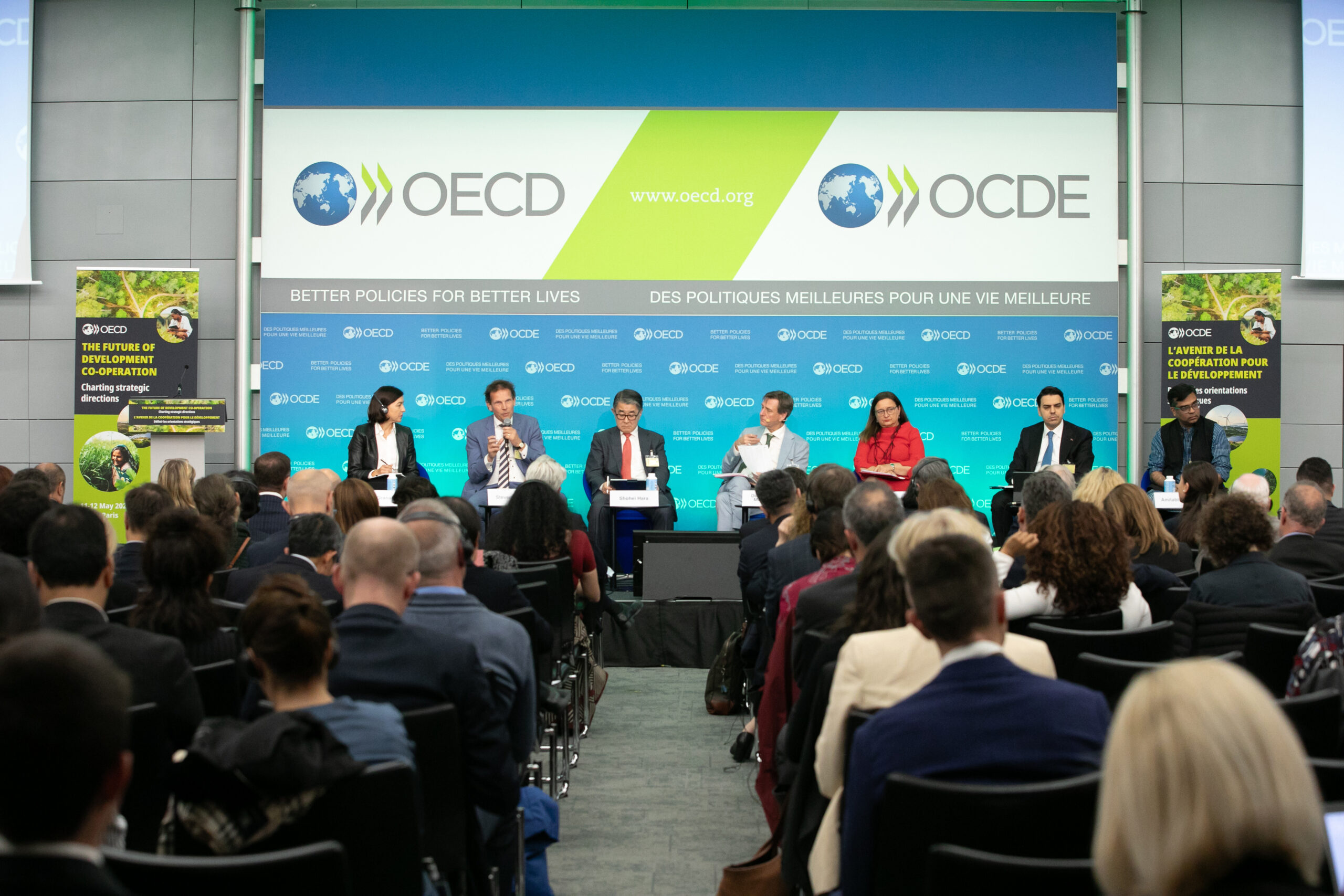
International development co-operation is entering a defining moment. Long-standing assumptions about aid, partnerships, financing, and global governance are being reshaped by geopolitical fragmentation, climate shocks, debt pressures, technological disruption, and growing demands for measurable impact. Against this backdrop, the Future of Development Co-operation Con