
Testing the load capacity curve hypothesis accounting for energy consumption and water use pressure in climate-vulnerable Somalia
his study investigates how economic growth, energy consumption, urbanization, investment, and water-use pressure are affecting ecological sustainability in Somalia. Using annual data from 1990–2022, the authors provide the first empirical test of the Load Capacity Curve hypothesis for Somalia, applying a Fourier ARDL model alongside unit-root and Granger-causality a
Conflict, food inflation, and climate change astime-varying determinants of food availability in Somalia: Evidence from machine-learning and VARtechniques
A new study published in Cogent Food & Agriculture examines how conflict, food inflation, and climate change have shaped food availability in Somalia over the past two decades. Using monthly data from 2001–2021, the researchers combine machine-learning models with vector autoregression and time-varying Granger causality to assess how the relative importance of t
Ecological capacity in water-stressed Somalia underglobalization, institutional change and human capitaldevelopment
A new study published in Scientific Reports examines how globalization, water stress, institutional quality, and human capital shape Somalia’s ecological sustainability. Using annual data from 1990–2020, the study applies the Load Capacity Factor to assess the balance between the country’s ecological resources and environmental demand. The findings show that glo
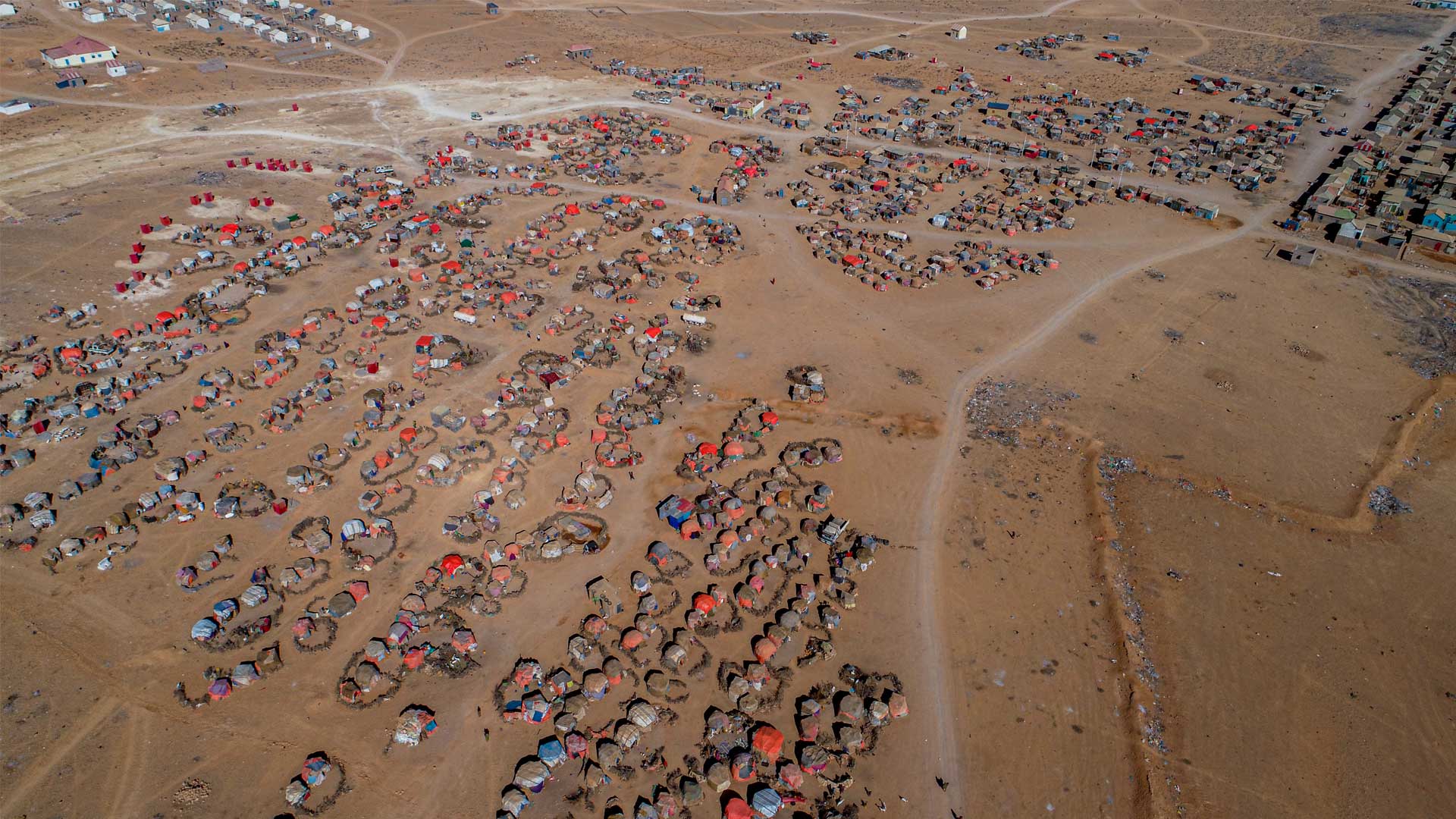
Somalia Is a Dryland Nation: Why Restoring Our Land Matters
As governments gather in Mongolia for UNCCD COP17, Somalia has a strong reason to pay attention: more than 80% of the country is arid or semi-arid. For Somalia, drylands are not empty spaces. They are productive landscapes that support livestock, pastoralism, agriculture, biodiversity, water systems and millions of livelihoods. Dry does not mean degraded Drylands [&he

Anticipating El Niño in Somalia: Building Climate Resilience
As the likelihood of another El Niño event increases, Somalia stands at a critical moment to shift from responding to disasters toward anticipating them. Anticipating El Niño in Somalia: Building Climate Resilience examines why flooding is becoming more frequent and destructive, drawing lessons from the devastating 2023 Deyr floods and assessing the country’s
Agricultural development and food production in East Africa: The role ofwater availability, environmental degradation, and institutional quality
How can East Africa produce more food while facing growing water scarcity, climate pressures, and institutional challenges? A new study examines agricultural production across 15 East African countries between 2002 and 2022, revealing that investment in agricultural development and reliable water availability are the strongest drivers of increased food production. The
An Integrated Approach to Sustainable Food Production Systems: A Case Study of Somalia
A newly published study by researchers from the Institute of Climate and Environment (ICE) and the Faculty of Economics explores the structural factors shaping food production in Somalia. Moving beyond conventional agricultural perspectives, the research examines how fisheries, industrial development, governance quality, and income inequality interact to influence lon
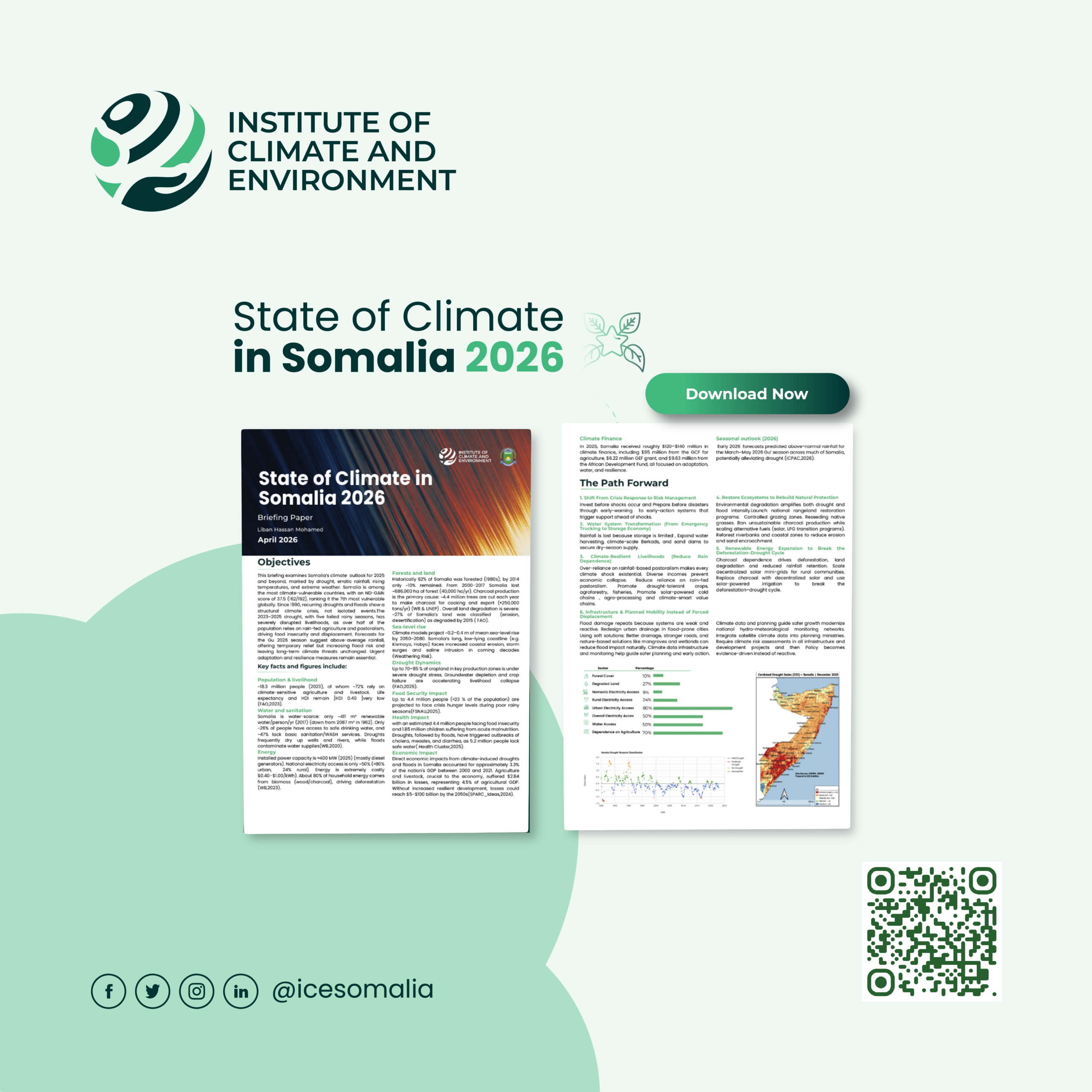
State of Climate in Somalia 2026: Trends, Risks, and Pathways to Resilience
Somalia is facing an escalating climate crisis marked by recurrent droughts, erratic rainfall, rising temperatures, and increasing extreme weather events. Ranked among the world’s most climate-vulnerable countries with an ND-GAIN score of 37.5 (162/192), Somalia’s climate challenges are no longer isolated shocks but a persistent structural risk affecting livelihoo
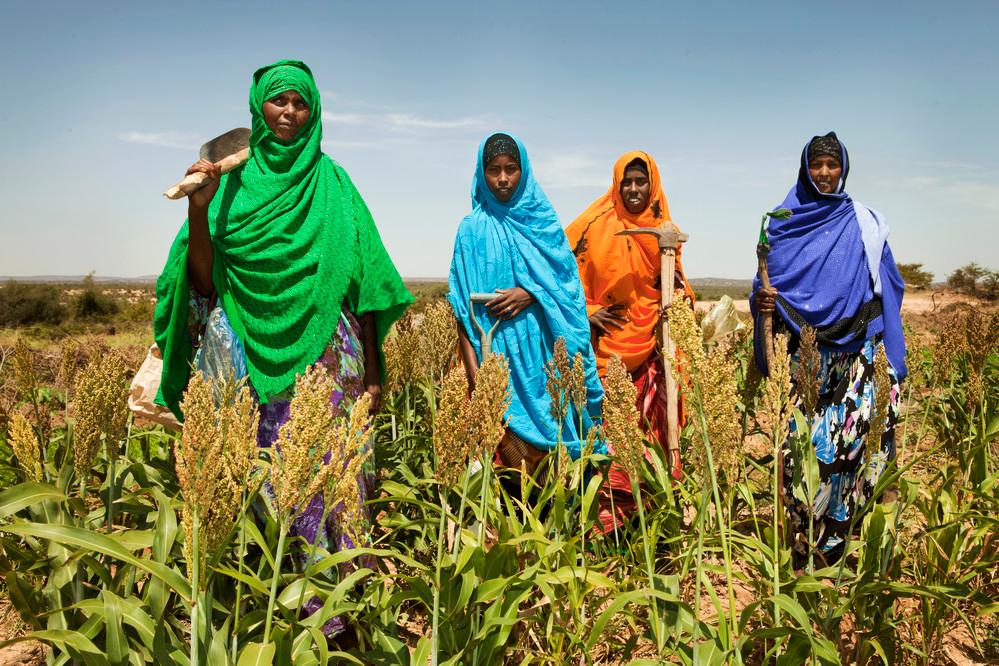
Protecting harvests means protecting Somalia: why disaster management for agricultural areas is essential
Somalia’s food security depends on how well the country manages floods in its agricultural areas. Disaster management is still focused on towns and settlements, yet floods regularly destroy crops, fields and rural infrastructure – with direct consequences for markets, prices and livelihoods. Disaster management for agricultural areas is the part of disaster risk m
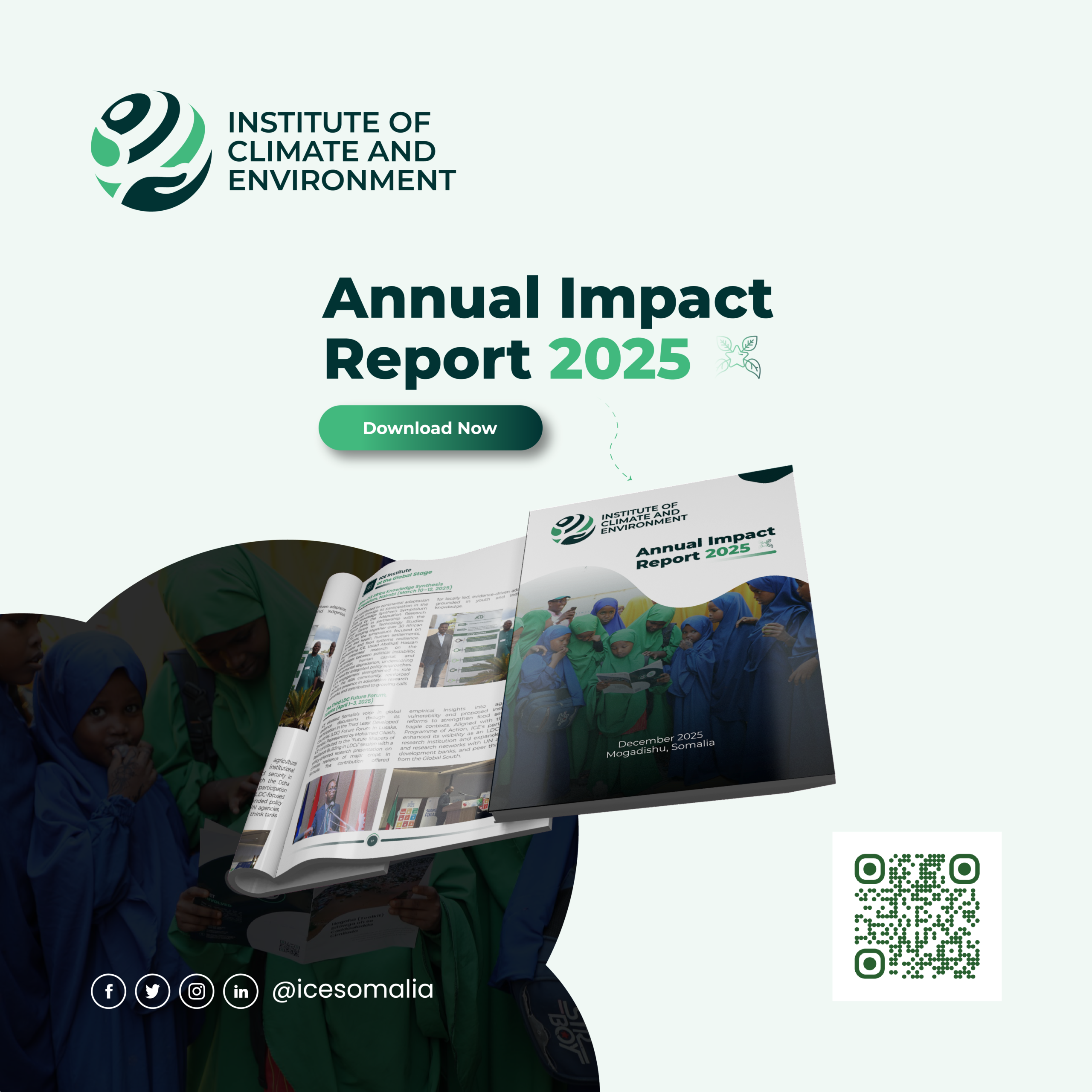
ICE Annual Impact Report 2025
Climate change is no longer a distant concern for Somalia; it is a defining force shaping livelihoods, food systems, and national development. In 2025, however, the narrative began to shift—from one of vulnerability to one of growing capability. At the center of this transition is the Institute of Climate and Environment (ICE) at SIMAD University, […]