
Somalia Is a Dryland Nation: Why Restoring Our Land Matters
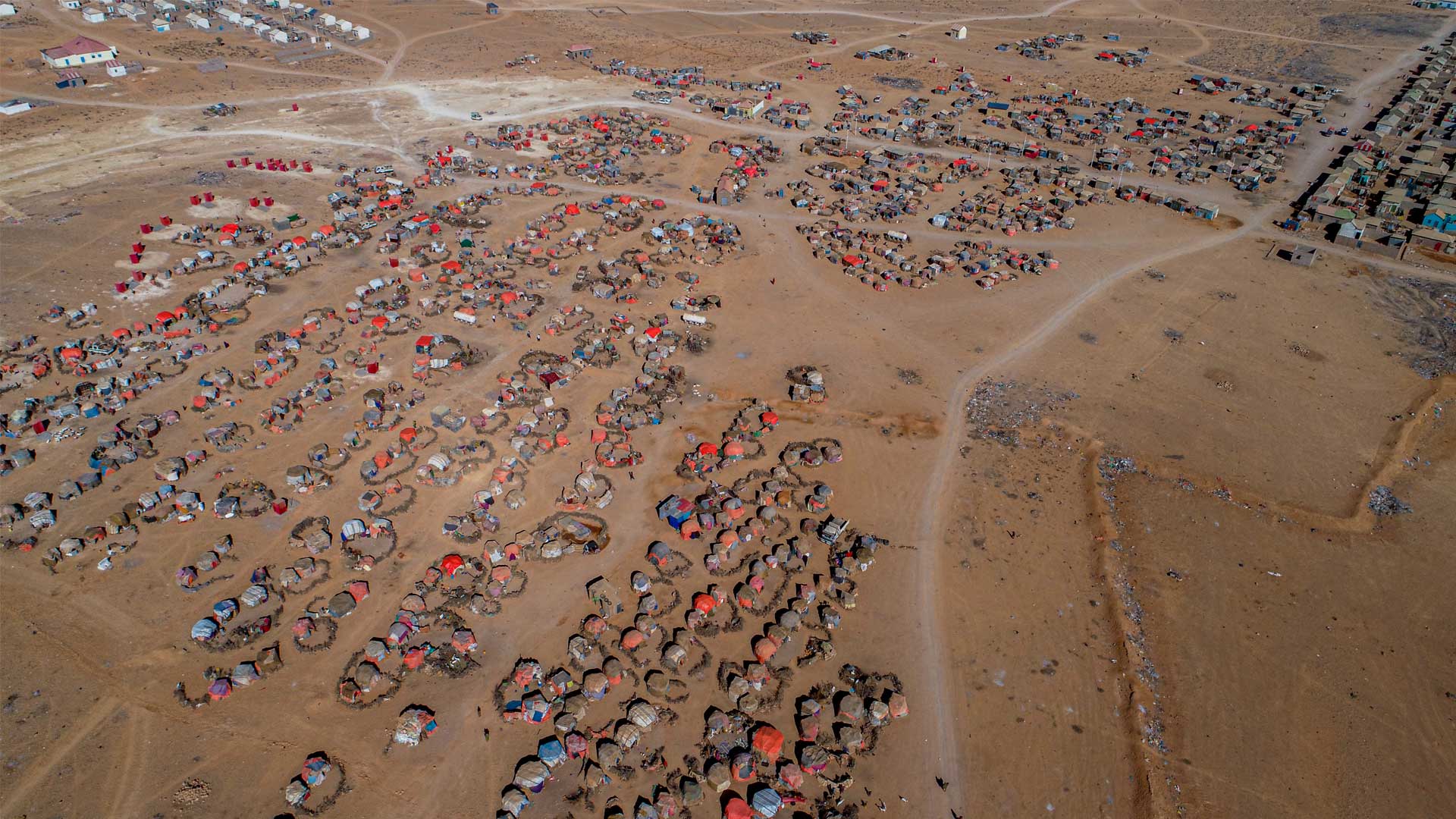
As governments gather in Mongolia for UNCCD COP17, Somalia has a strong reason to pay attention: more than 80% of the country is arid or semi-arid. For Somalia, drylands are not empty spaces. They are productive landscapes that support livestock, pastoralism, agriculture, biodiversity, water systems and millions of livelihoods.
Dry does not mean degraded
Drylands are areas where rainfall is naturally limited and variable. They can still support healthy grasslands, shrubs, trees, livestock and farming. The real concern is land degradation—when soil, vegetation and ecosystems lose their ability to remain productive.
Somalia’s National Climate Change Policy identifies rangeland degradation, vegetation loss, drought, unsustainable grazing, soil erosion and tree cutting among the pressures affecting land and livelihoods. The UNCCD Somalia country dashboard reports that about 23.3 million hectares, or 36.9% of Somalia’s land area, was degraded in 2019. This matters because degraded land means less pasture, weaker soils, greater water stress and more vulnerable livelihoods.
Drought is not the same as land degradation
Somalia often experiences drought, but drought and land degradation are different. Drought is a temporary shortage of water. Land degradation is a longer-term decline in the health and productivity of land.
A healthy rangeland can recover after poor rainfall. A severely degraded one may not recover easily even when rain returns. This is why Somalia must move beyond responding to drought only when crisis begins. Resilience starts earlier—through better management of land, water and rangelands.
Rangelands are economic infrastructure
Somalia’s pastoral economy depends heavily on healthy rangelands. They provide fodder, protect soils, support livestock, sustain biodiversity and help communities survive climatic shocks. In this sense, rangelands are natural infrastructure. Just as roads support trade and electricity supports businesses, healthy land supports livestock production, food security and rural economies. This is especially relevant in 2026, the International Year of Rangelands and Pastoralists.
Somalia already has the policy framework
Somalia does not need to start from zero. The National Transformation Plan 2025–2029 includes Environment and Climate Resilience as a major national priority. The National Adaptation Plan 2026–2030 and Somalia’s updated NDC under the Paris Agreement also emphasize climate resilience, agriculture, land and livelihoods.
Under the UN Convention to Combat Desertification, Somalia has adopted Land Degradation Neutrality targets for 2030, including reducing areas of stressed or declining land productivity. The challenge is now implementation. Somalia must turn national plans into restored rangelands, healthier soils, better-managed water systems and stronger rural livelihoods.
One landscape, many commitments
Restoring a degraded Somali rangeland can support several commitments at once. It can contribute to the UNCCD by reducing land degradation, the Paris Agreement by strengthening climate adaptation, the Convention on Biological Diversity by restoring ecosystems, and SDG 15.3 by advancing land degradation neutrality.
The key lesson is simple: Nature does not separate land, water, climate and biodiversity. Somalia should not separate their implementation either.
What should Somalia Prioritize?
As COP17 focuses global attention on land restoration, Somalia should concentrate on five priorities:
1. Map degradation better. Use satellite data, rainfall records and community knowledge to identify where land is deteriorating.
2. Restore rangelands, not just plant trees. Solutions may include grass regeneration, managed grazing, erosion control, agroforestry and natural regeneration.
3. Manage land, water and livestock together. Water development must consider its impact on surrounding grazing areas.
4. Recognize pastoral knowledge. Pastoralists should be treated as land managers and partners in restoration.
Finance restoration at scale. Somalia needs larger, investable landscape-restoration programmes rather than scattered short-term projects.
Restoring land means strengthening Somalia
COP17’s theme, “Restoring Land, Restoring Hope,” is particularly relevant for Somalia. Land restoration is not simply about making dry places greener. It is about keeping drylands productive, protecting livelihoods, strengthening food and water security, and helping communities cope with future droughts. More than four-fifths of Somalia is dryland. Our future depends not on changing that geography, but on managing it better.