
ICE Institute Champions Green Skills at COP31
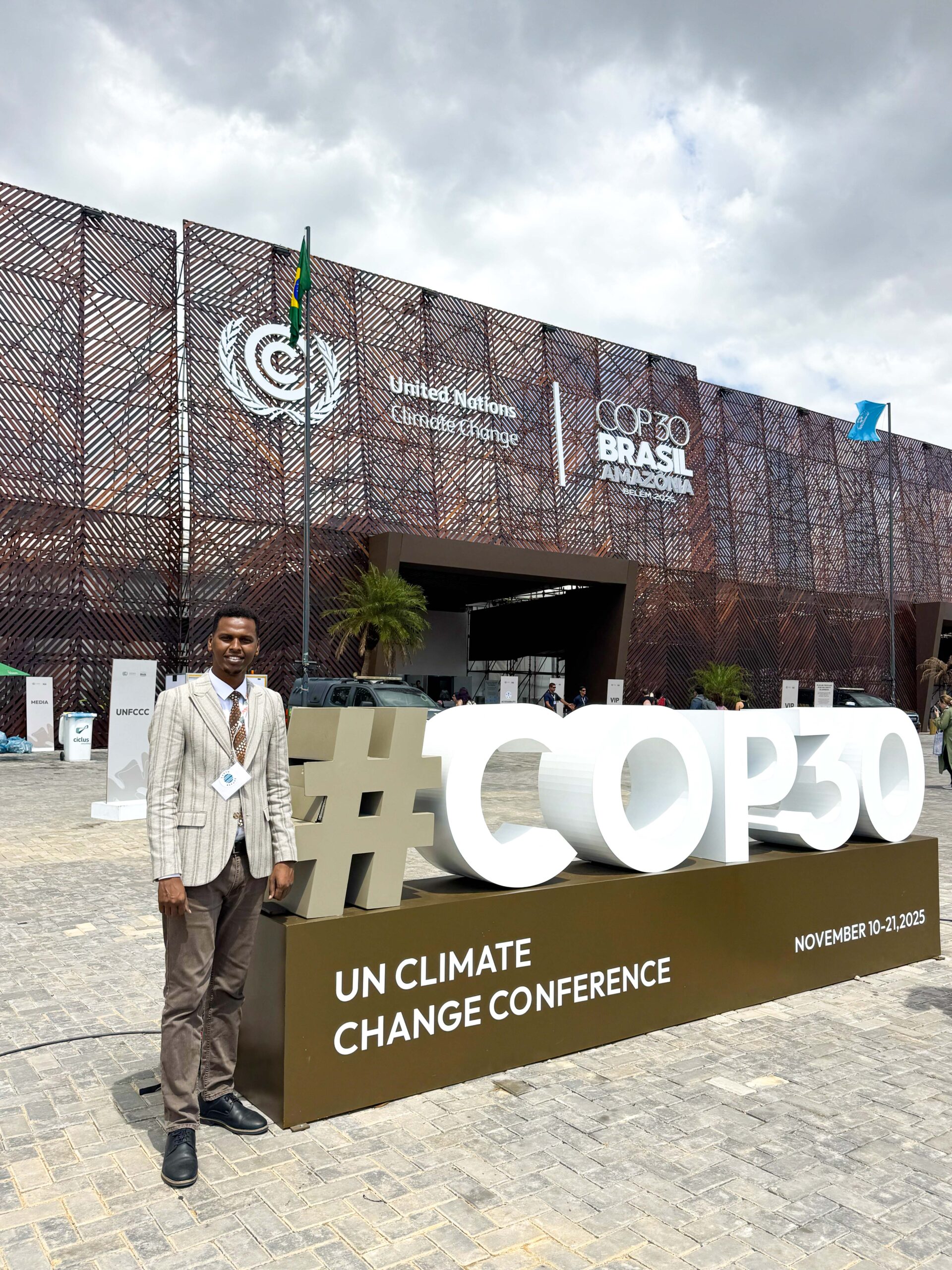
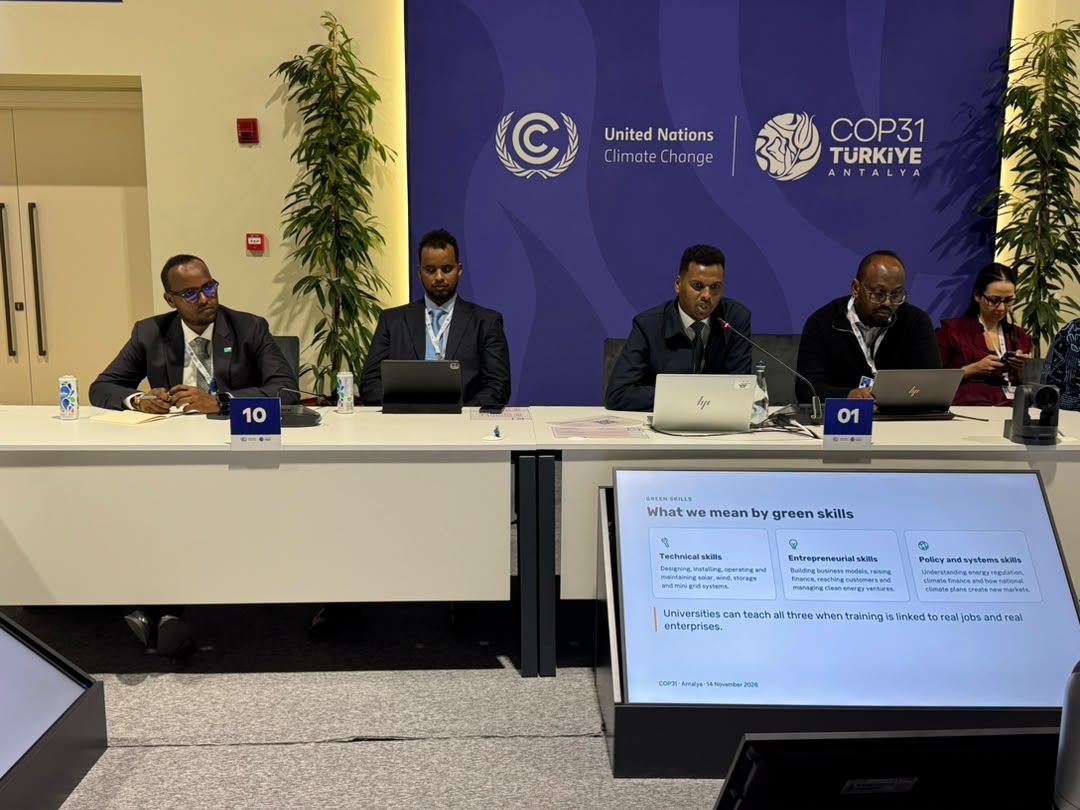
Africa’s clean energy transition needs more than investment and technology. It requires skilled people, capable institutions, innovative enterprises, and international partnerships that deliver lasting local impact. At COP31 in Antalya, Türkiye, the Institute of Climate and Environment (ICE) at SIMAD University convened a side meeting titled “Green Skills for the Energy Transition: Universities as Engines of Renewable Energy Entrepreneurship in Sub-Saharan Africa.”
Organised under the EU-funded Erasmus+ Renewable Energy Advancement for Inclusive Development (READ) Project, the meeting focused on strengthening international academic cooperation, modernising renewable energy education, and developing the institutional and human capacities required for Africa’s green transition.
Bridging Africa’s Green Skills Gap
Despite Africa’s vast renewable energy potential, the continent accounts for only a small proportion of global clean energy employment. According to IRENA and ILO, Africa accounted for approximately 344,000 of the 16.6 million renewable energy jobs worldwide in 2024.
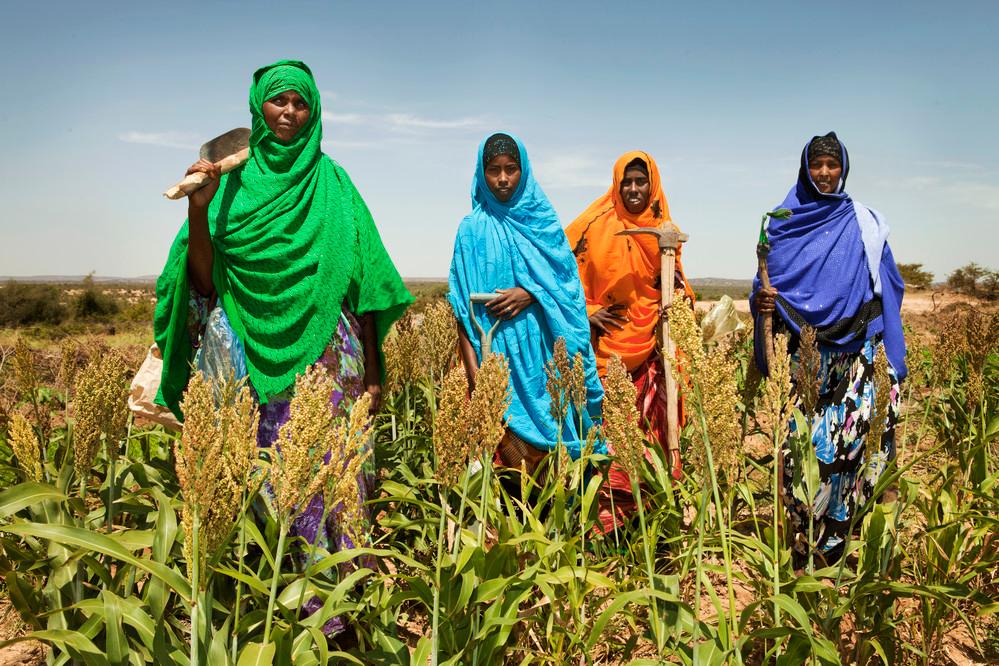
For Somalia, this gap underscores the importance of investing not only in renewable energy infrastructure but also in education, applied research, and entrepreneurship.
As Somalia advances its Nationally Determined Contribution (NDC 3.0) and national development priorities, universities have an increasingly important role in producing the expertise, technologies, and locally relevant solutions needed for implementation.
READ: Building Capacity Through International Cooperation
Coordinated by SIMAD University, the READ Project brings together eight universities from Somalia, Tanzania, Malawi, Türkiye, and Italy under the Erasmus+ Capacity Building in Higher Education programme.
Running from November 2025 to October 2028, the project advances three interconnected priorities:
1. International cooperation: Strengthening partnerships between African and European universities through knowledge exchange, academic mobility, joint research, and institutional collaboration.
2. Curriculum development: Modernising renewable energy education through 18 teaching modules covering renewable energy technologies and entrepreneurship, aligning university learning with emerging industry needs.
3. Capacity development and green entrepreneurship: Equipping academic staff, students, and young entrepreneurs with practical competencies through training, applied learning, and university–industry engagement.
The project aims to reach more than 300 students through renewable energy education and train 120 young people in energy entrepreneurship. Its capacity-building activities have already included a Training of Trainers programme in Türkiye involving more than 30 academic and project representatives.
These efforts seek to ensure that participating universities develop lasting capabilities to educate future professionals, contribute to renewable energy research, and support the growth of local green enterprises.
Connecting Climate Policy, Finance, and Academia
The COP31 meeting’s invited speaker lineup brought together Zamzam Ibrahim of Somalis for Sustainability; Zoubeir Ben Hadj Yahya, Climate Negotiator specialising in Article 6 and climate finance; Abdulkani R. Barrow, Somalia’s Chief Climate Negotiator; Abdullahi Ibrahim Abdi, Director General at the Ministry of Energy and Water Resources; and Ahmed Yusuf, Executive Director of the Somali Climate Action Platform (SCAP).
Abdikafi Hassan Abdi, representing ICE Institute at SIMAD University, was scheduled to present the READ Project and ICE’s contributions to climate research, education, and capacity development.
The discussion connected Somalia’s climate commitments with the practical requirements of implementation, particularly workforce readiness, access to finance, inclusive entrepreneurship, and cooperation between government, academia, industry, and civil society.
ICE Institute’s Call: From Knowledge to Lasting Impact
For ICE Institute, the meeting reflects a wider institutional commitment to translating climate research into informed policy, building local capacities, incubating green solutions, and facilitating partnerships that strengthen Somalia’s climate resilience.
Through initiatives including the READ Project, Climate Justice Incubator, Green Champions programme, and climate research and policy engagement, ICE continues to connect knowledge creation with practical climate action.
Our call is for stronger cooperation between universities, governments, the private sector, and development partners to invest in green skills, institutional capacity, applied research, and youth-led enterprises.
This cooperation must extend beyond short-term projects to establish sustainable academic programmes, strengthen local institutions, expand opportunities for young people, and create an enabling environment for green innovation.
The future of Africa’s energy transition depends not only on the technologies we deploy, but also on the people we empower and the institutions we build. ICE Institute welcomes partnerships with organisations committed to advancing evidence-based, inclusive, and locally driven solutions for a greener, climate-resilient Somalia.
Here is the Panel Breifing Powerpoint!