
ICE Institute at COP30
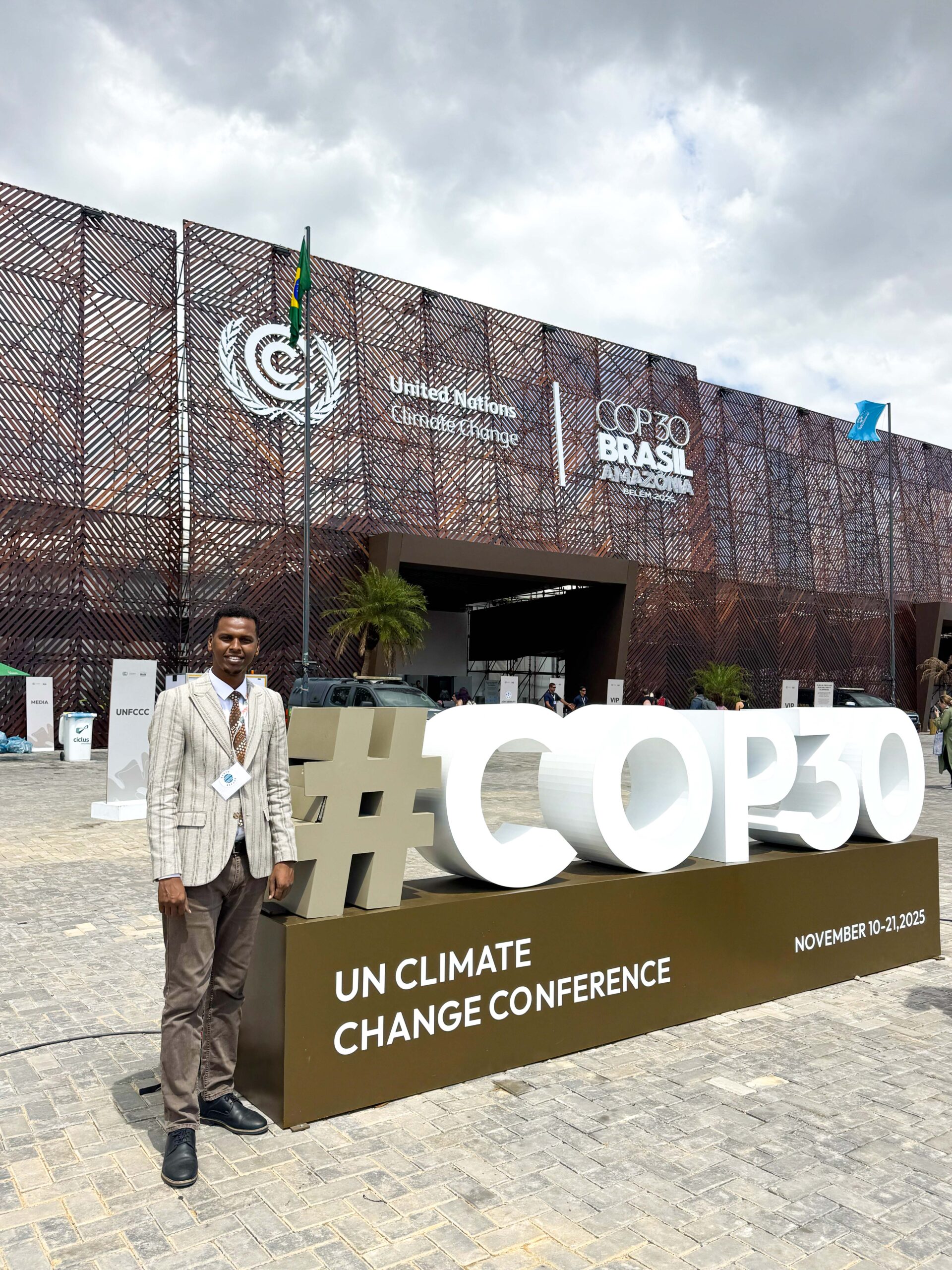
At the United Nations Climate Change Conference (COP30) in Belém, Brazil, global leaders, negotiators, researchers, and civil society convened to move climate action from ambition to implementation. For countries like Somalia, on the frontlines of climate change and conflict, COP30 was not just another diplomatic gathering. It was a critical moment to ensure that lived realities, local evidence, and voices from fragile contexts shape global climate decisions.
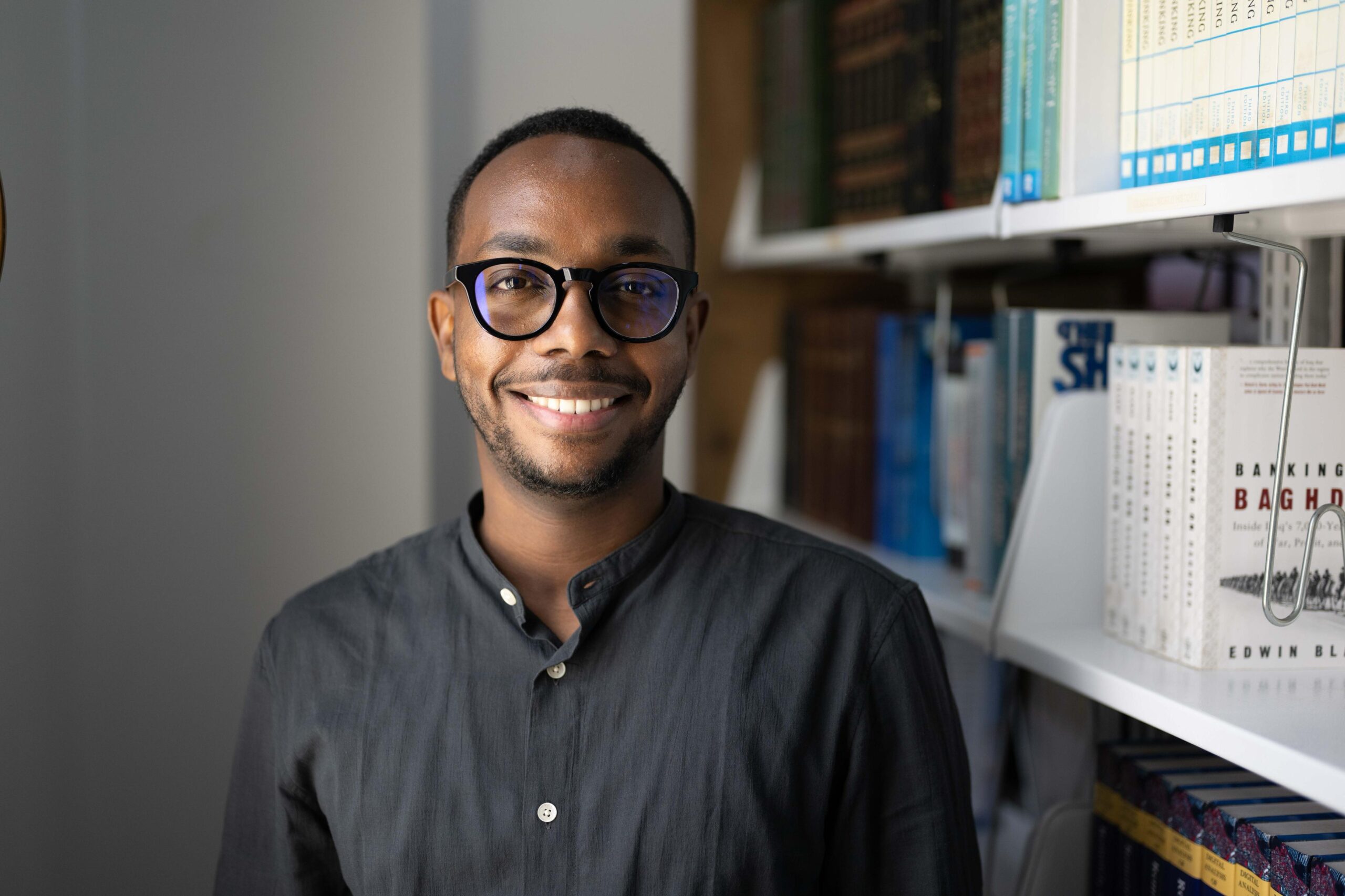
With the support of Oxfam, Ustaaad Abdikafi Hassan Abdi, the head of Research of the Institute of Climate and Environment (ICE) at SIMAD University participated in COP30 to bring evidence from Somalia into global climate conversations, particularly on adaptation, food systems resilience, climate–conflict linkages, and climate finance justice.
Why Somalia’s Voice at COP30 Mattered
Somalia contributes almost nothing to global emissions, yet it is among the countries most exposed to recurrent droughts, floods, heat stress, and ecosystem degradation, all unfolding within a context of protracted conflict and weak institutions. These intersecting crises threaten food security, livelihoods, displacement patterns, and social stability.
COP30’s Action Agenda, focused on transforming food systems, advancing just transitions, strengthening adaptation finance, and operationalizing the Global Stocktake—was therefore deeply relevant to Somalia and other conflict-affected countries. Yet these contexts remain underrepresented in global climate policy spaces and severely underfunded in climate finance flows.
Bringing Frontline Evidence into Global Climate Debates
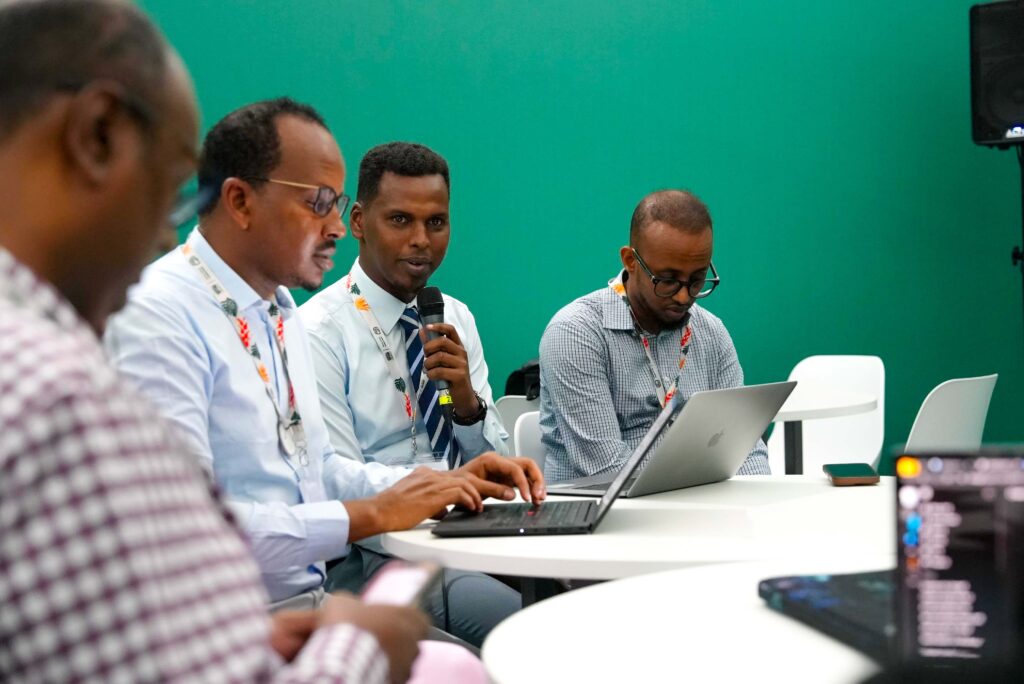
At COP30, ICE contributed directly to the evidence base shaping global discussions. In a scientific briefing titled “Climate Adaptation on the Frontlines: How Conflict-Affected Farmers Keep Markets and Exports Alive,” empirical insights from Somalia highlighted how farmers and pastoralists continue to sustain food production and exports despite drought, flooding, insecurity, and market disruption.
The session demonstrated that resilience in fragile contexts is not abstract. It is built through local knowledge, adaptive mobility, informal institutions, and community-led strategies that often go unrecognized by global financing mechanisms. These experiences challenge dominant adaptation models that prioritize institutional capacity over vulnerability and lived realities.
ICE also contributed to a panel on integrating climate risks into conflict analysis, emphasizing that climate change cannot be treated as a siloed issue. Universities, particularly in fragile settings, have a growing role to play in generating local data, improving inputs for climate–conflict modeling, and strengthening analytical capacity through training in data science, GIS, and applied climate research.
Universities as Climate Knowledge Hubs
Beyond formal sessions, participation in a higher-education climate leadership forum reinforced a key message: universities in the Global South are not just beneficiaries of climate action—they are essential actors in climate governance.
For Somalia, higher-education institutions can serve as:
1. Trusted generators of local, policy-relevant data
2. Conveners of dialogue between communities, policymakers, and practitioners
3. Anchors for long-term capacity building and evidence-based advocacy
This aligns closely with Oxfam’s emphasis on locally rooted institutions and locally led adaptation, where sustainable climate action is built from the ground up.
Climate Justice, Adaptation Finance, and the Road Ahead
Across bilateral engagements with negotiators, researchers, and policy actors, one message was clear: there remains a profound mismatch between adaptation needs and adaptation finance, particularly for conflict-affected and least-developed countries. Somalia’s experience underscores why climate finance must prioritize vulnerability, equity, and accessibility, not only absorptive capacity.The insights from COP30 will now feed into ICE’s ongoing research, teaching, and policy engagement in Somalia and the Horn of Africa. They will also inform future collaboration with partners like Oxfam on climate-resilient food systems, early-warning systems, and conflict-sensitive adaptation frameworks.
From Belém Back to the Frontlines
COP30 reaffirmed that climate justice cannot be achieved without centering the realities of those living at the intersection of climate shocks, poverty, and conflict. Elevating Somali evidence at COP30 was not an end in itself, it was part of a longer journey to ensure that global climate governance works for those who need it most. As Africa continues to bear a disproportionate share of climate impacts, spaces like COP must move beyond representation toward real accountability, fair financing, and locally led solutions. The experience from COP30 shows that when frontline voices are heard, global climate action becomes not only more just, but more effective.