

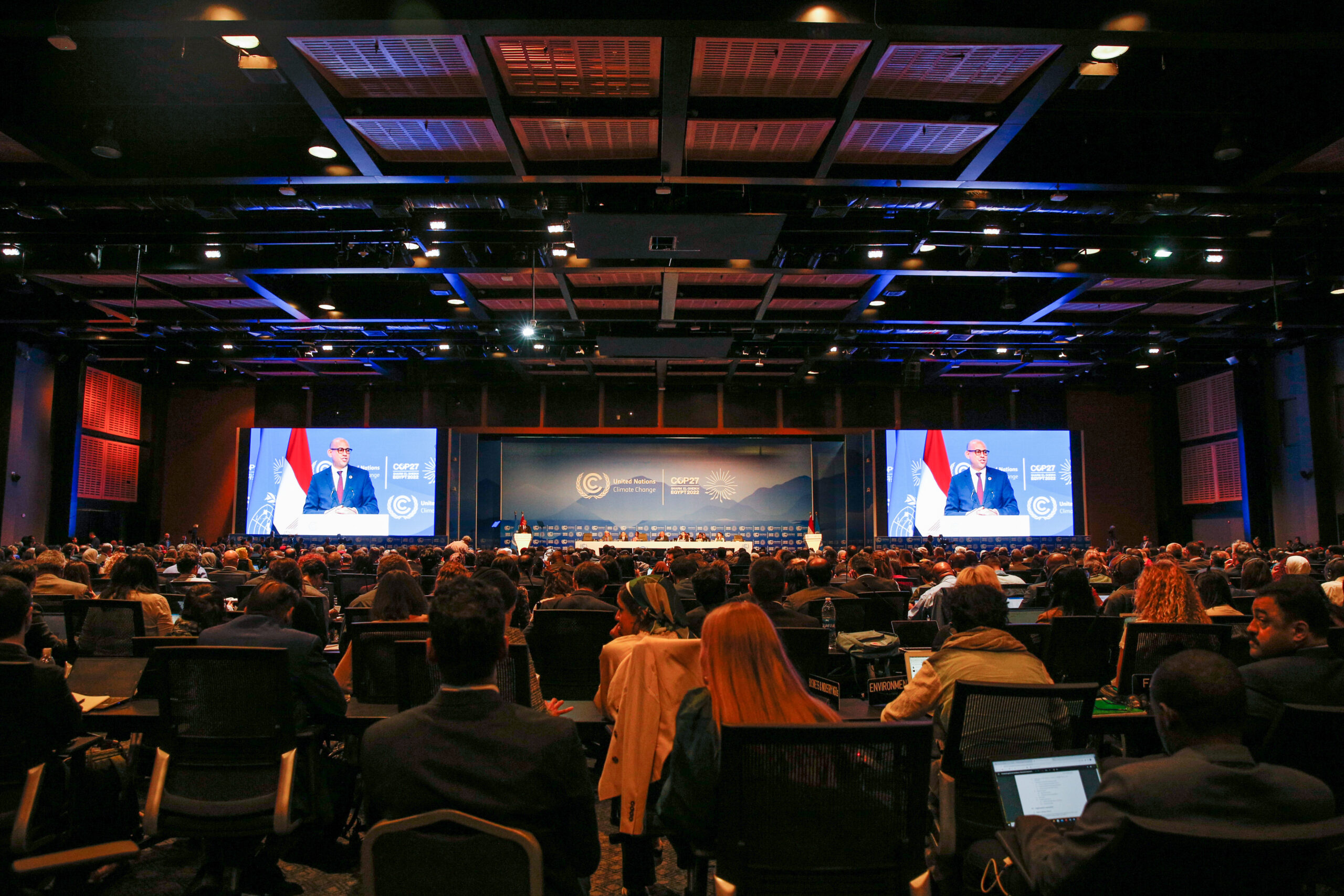
ICE Institute at COP27
The United Nations Conference of the Parties (COP27) was held in Sharm El Sheikh, Egypt last month, and it was a great honor for SIMAD University to be among the few groups of universities from around the world that were invited to participate. As a leading institution in the field of climate change and environmental research, SIMAD University is committed to finding innovative solutions to the challenges that climate change poses for Somalia and other post-conflict nations. Climate change poses an imminent and existential threat to our natural environment, our ecosystems, and our social and economic recovery. It is therefore essential that we take action now to build a more climate-resilient and greener Somalia. The effects of climate change are already being felt in Somalia, with increasing frequency of droughts and food insecurity putting people’s lives at risk and damaging agricultural production.
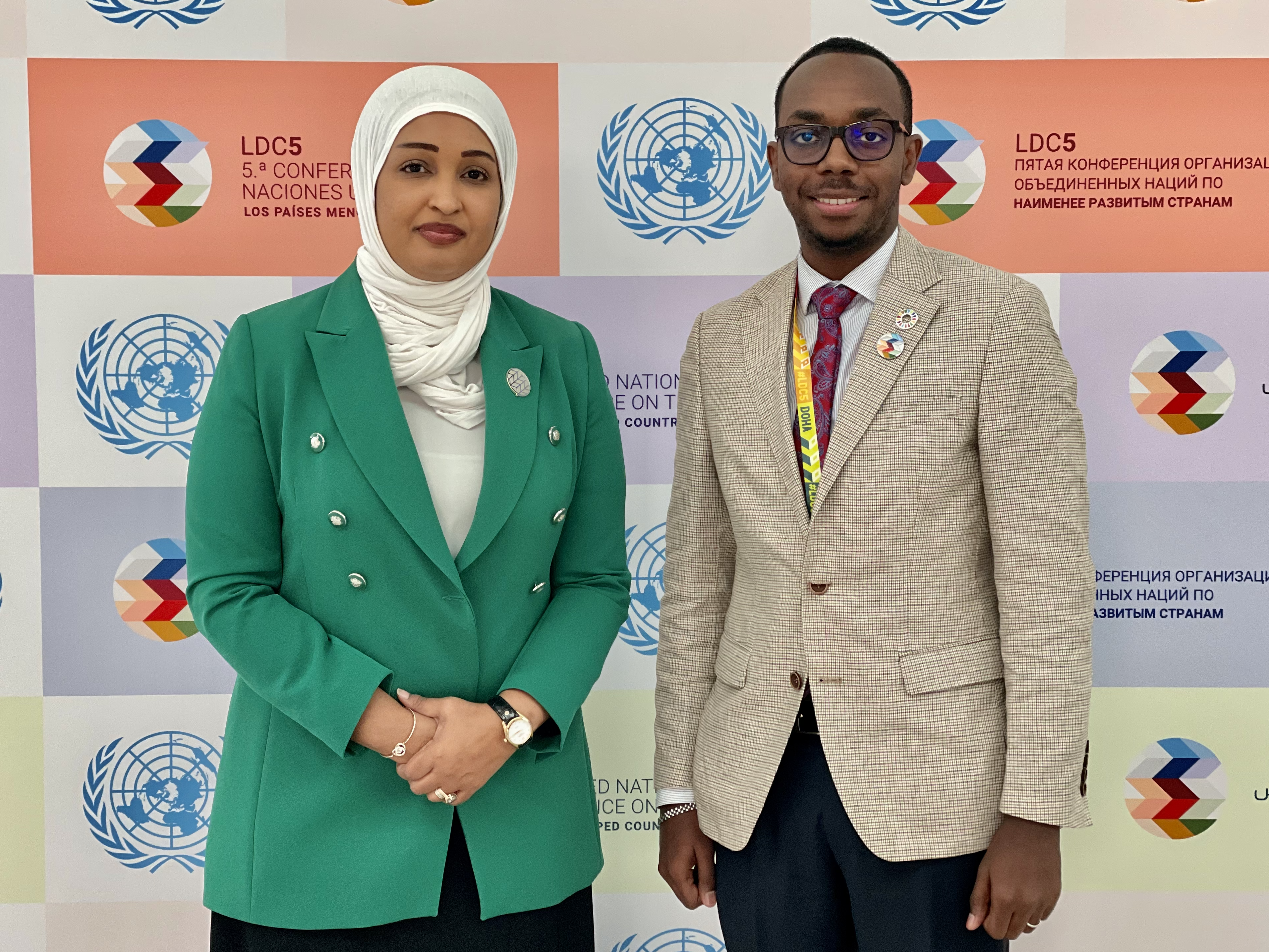
During COP27, our representative, Mr. Mohamed Okash, had the opportunity to meet with several universities and research centers from around the world to discuss potential partnerships and collaborations. These conversations were focused on finding ways to work together to catalyze climate action and safeguard nature and biodiversity in Somalia, and to contribute to building a more climate-resilient society.
One of the key outcomes of COP27 was the establishment of loss of damage fund. These plans are a step in the right direction, but they will only be effective if they are implemented in a way that benefits all members of society, including the most vulnerable. At SIMAD University, we are committed to taking action to support the implementation of these plans in Somalia. This includes working to build capacity in the community, conducting in-depth research studies, and providing insightful policy recommendations to all relevant stakeholders. Our goal is to ensure that no Somali is left behind and that we can work together to mitigate the effects of climate change and build a more sustainable future for all.
In conclusion, it was an honor for us to participate in COP27 and to contribute our expertise and experience to the global effort to combat climate change. We are determined to continue working together with other stakeholders to turn our voices, ideas, and ambitions into concrete action to build a more sustainable, resilient, and greener Somalia. The COP27 was a significant opportunity for the Institute of Climate and Environment at SIMAD University to share our research and expertise with the global community and to learn from the experiences of other organizations and governments. One of the main objectives of our participation was to strengthen partnerships with other universities and research centers to enhance our ability to contribute to climate action in Somalia and the region. During the conference, we had the chance to attend various sessions and workshops that addressed a wide range of topics, including sustainable development, climate change adaptation, and green energy. We also had the opportunity to participate in several side events, such as the Higher Education Summit, where we had the chance to discuss the role of universities in addressing climate change and sustainable development.
One of the most important outcomes of our participation at COP27 was the opportunity to meet with other universities and research centers from around the world. We had the chance to discuss potential collaboration opportunities and to exchange ideas on how we can work together to advance climate action in Somalia and the region. We believe that these partnerships will be critical in helping us to achieve our goal of contributing to a more sustainable, resilient and greener Somalia.
In addition to building partnerships, we also had the opportunity to share our research and expertise with the broader community. Our representative, Mr. Okash, presented our research on climate change adaptation and the role of community-based organizations in addressing climate change in Somalia. This presentation was well received by the audience and generated a lot of interest and discussion. Overall, our participation at COP27 was a valuable experience that reinforced our commitment to contributing to climate action in Somalia and the region. We are now looking forward to building on the relationships and partnerships that were formed during the conference, and to continuing our work to promote sustainable and resilient development in Somalia.