
Reflections from the OECD Conference on the Future of Development Co-operation 2026
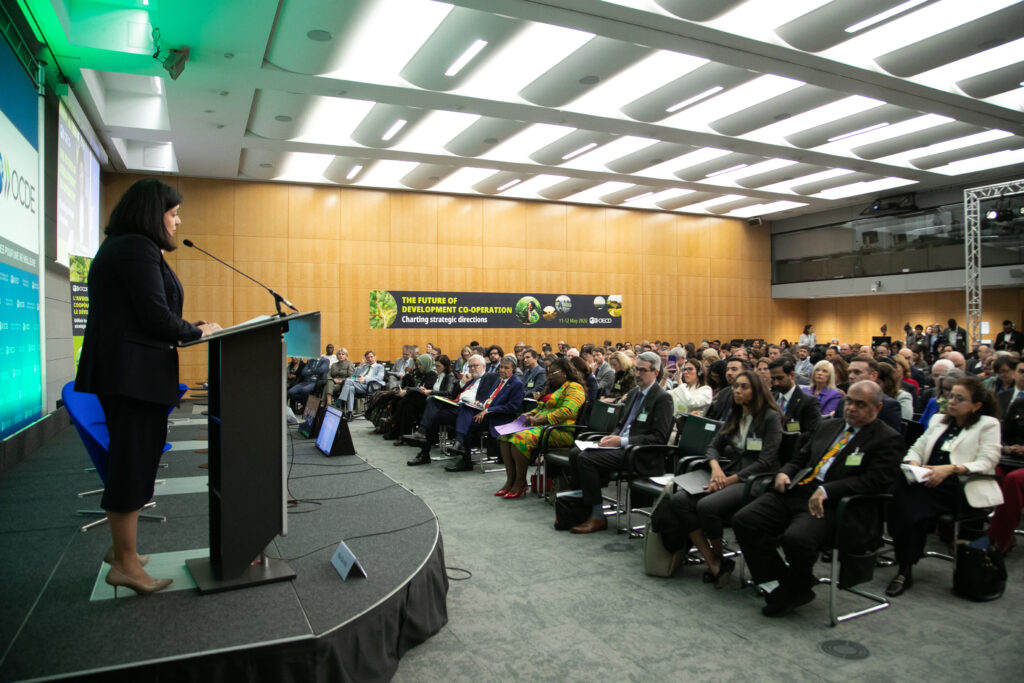
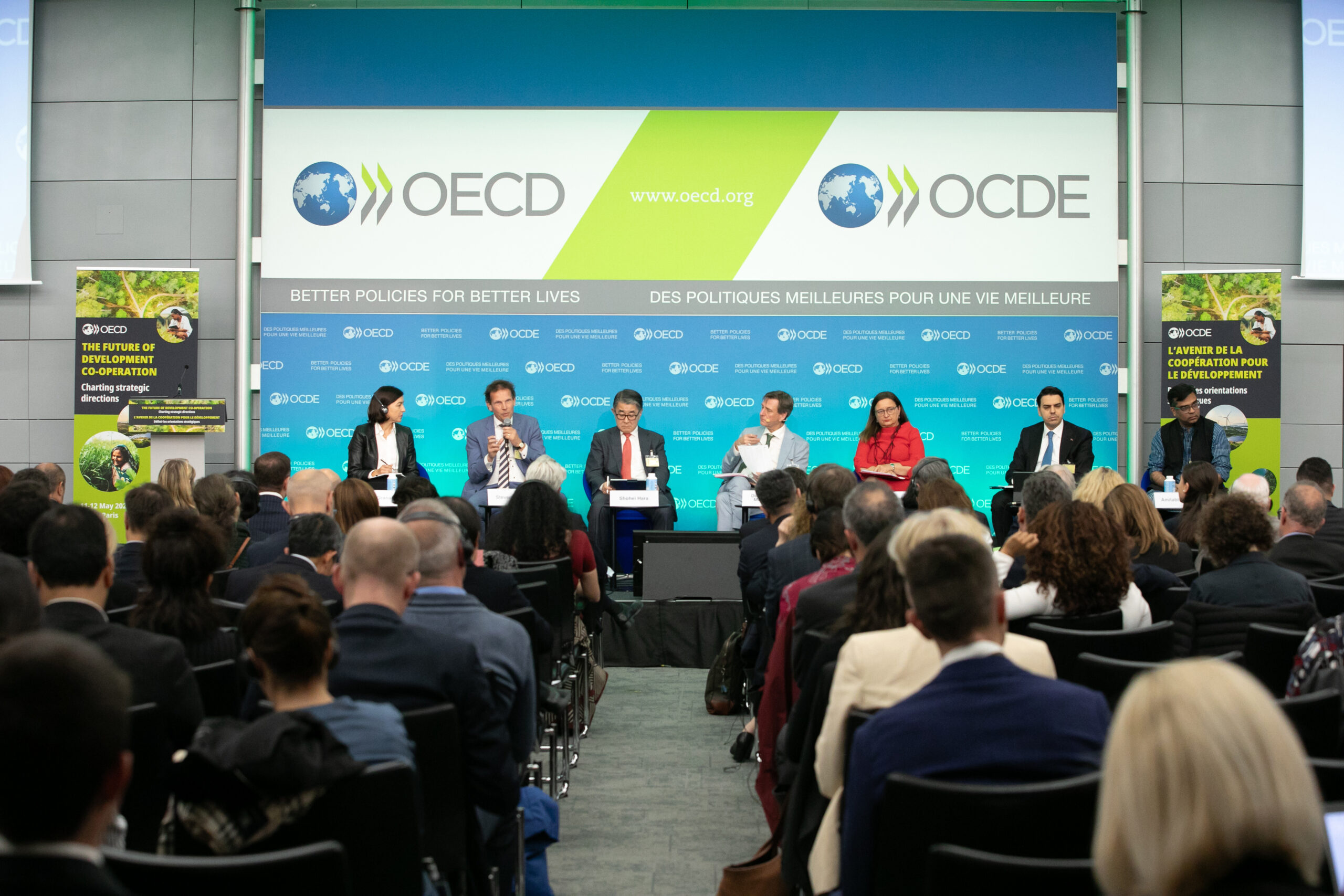
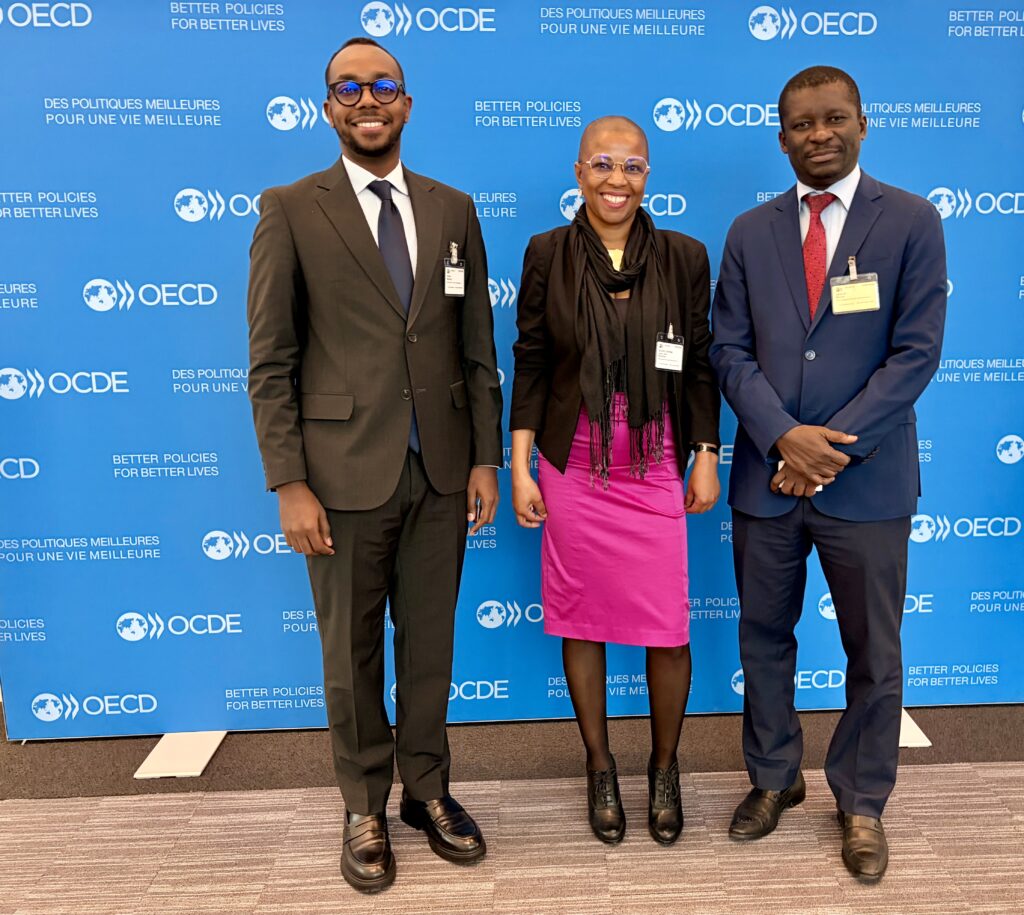
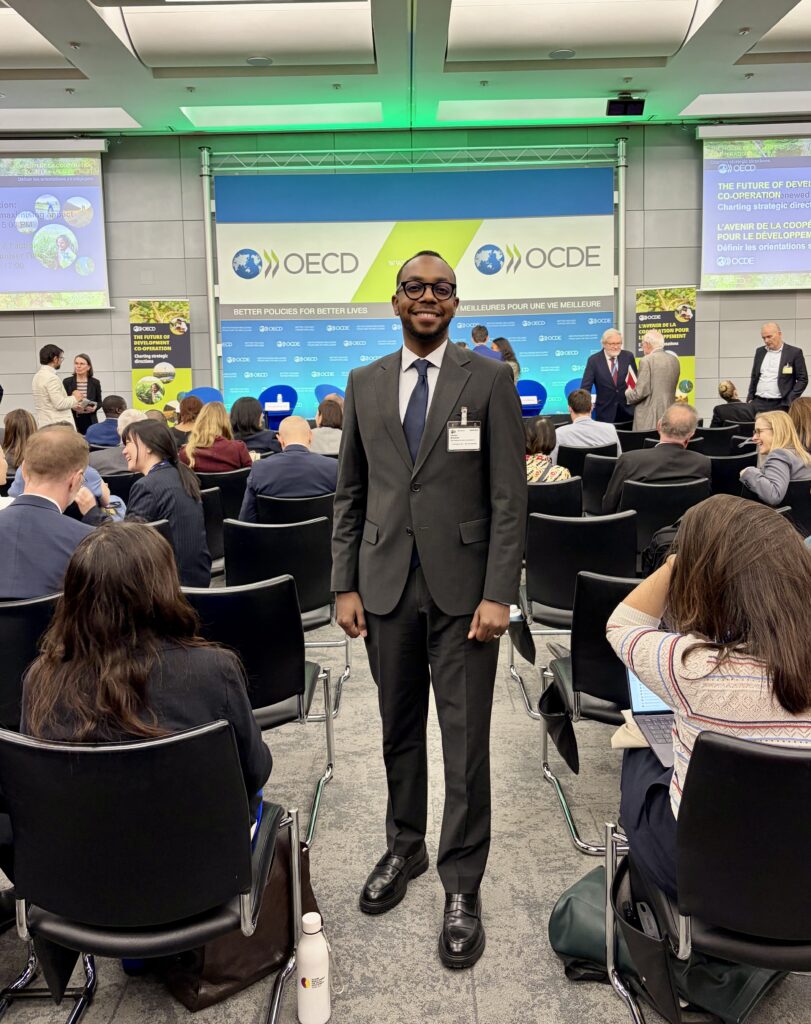
International development co-operation is entering a defining moment. Long-standing assumptions about aid, partnerships, financing, and global governance are being reshaped by geopolitical fragmentation, climate shocks, debt pressures, technological disruption, and growing demands for measurable impact. Against this backdrop, the Future of Development Co-operation Conference hosted by OECD in Paris convened political leaders, policymakers, researchers, and development practitioners to reflect on a central question: how should development co-operation evolve in a rapidly changing world? As part of these global discussions, SIMAD University, through the Institute of Climate and Environment (ICE Institute), contributed perspectives from Somalia and other fragile and climate-vulnerable contexts. Representing the institute, Mohamed Okash joined global thought leaders and institutions shaping conversations on the future of development systems.
A Development System Under Pressure
One of the strongest messages emerging from the conference was that the current development architecture is under increasing strain. The traditional aid ecosystem was designed for a different era — one in which development challenges were often treated separately from geopolitics, climate risks, demographic change, and technological transformation. Today, these issues are deeply interconnected. Climate change is no longer only an environmental issue; it is increasingly a governance, economic, security, and development challenge. Likewise, development finance is no longer simply about resource transfers, but about resilience, institutional capability, and systems transformation. Several discussions highlighted a growing concern that while development institutions generate more data, frameworks, and reporting systems than ever before, many still struggle to translate evidence into adaptive decision-making and long-term impact.
An OECD policy brief presented during the conference emphasized that institutional capability — not simply the volume of financing — is becoming a defining factor for development effectiveness. Institutions that invest in leadership, learning systems, incentives, technology, and local ownership are more likely to deliver sustainable outcomes.
The findings also revealed growing fragmentation within the development system itself. While institutions continue to reference the Sustainable Development Goals (SDGs), many are increasingly operating through separate priorities, measurement systems, and reporting frameworks. This weakens collective accountability and makes it harder to assess whether development co-operation is achieving shared global objectives.
Country Ownership Must Move Beyond Rhetoric
Another recurring theme throughout the conference was the need to move country ownership from rhetoric to practice. Durable development outcomes cannot be externally engineered. Locally grounded institutions, national systems, and community-led solutions are essential for long-term impact. For countries like Somalia, this conversation is particularly important. Fragile contexts are often viewed primarily through the lens of humanitarian need or institutional weakness. Yet Somalia also represents a story of resilience, institutional rebuilding, youthful innovation, and emerging climate leadership under extremely complex conditions. The future of development co-operation must therefore move beyond short-term project cycles toward long-term investments in institutional ecosystems, research capacity, local knowledge production, and nationally led transformation pathways. This is especially relevant for climate action. Adaptation in climate-vulnerable countries cannot succeed through externally designed templates alone. It requires locally informed evidence, community engagement, indigenous knowledge, and institutions capable of translating global commitments into practical implementation.
Why These Conversations Matter for Somalia
For Somalia, the implications of these discussions are significant. The country stands at the intersection of several major global transitions: climate vulnerability, rapid urbanization, demographic growth, food insecurity, digital transformation, and shifting geopolitical dynamics.
At the same time, Somalia is advancing important national frameworks, including its National Transformation Plan, Vision 2060 agenda, and updated climate commitments under the Paris Agreement. The challenge ahead is not only attracting development finance, but building the institutional capacity, governance systems, research ecosystems, and strategic partnerships needed to translate resources into sustainable transformation. This is where universities, think tanks, and locally rooted innovation ecosystems become increasingly important. Institutions such as the ICE Institute seek to contribute by linking research, policy engagement, climate innovation, capacity development, and multi-stakeholder dialogue to support evidence-based solutions for Somalia’s future.
A Defining Decade Ahead
The coming decade will likely redefine the meaning of development co-operation itself. The traditional boundaries between humanitarian response, development finance, climate action, technology, and geopolitics are becoming increasingly blurred. What emerges next will require institutions that are adaptive, collaborative, locally grounded, and capable of learning continuously in uncertain environments. The OECD conference made one point particularly clear: the future of development co-operation cannot be shaped only in global capitals or multilateral boardrooms. It must also be informed by the realities, institutions, innovations, and experiences emerging from countries on the frontlines of global change.