

Will Green Somalia initiative Rescue the Country from the Engulfed Deforestation?
Introduction Somalia, situated in the Horn of Africa, experiences arid and semi-arid conditions, with two seasonal rainfall periods and an average annual temperature of around 30 °C. However, political challenges, including state collapse and clan conflicts, have affected Somalia over the last two decades, leading to famine and humanitarian intervention. The protract
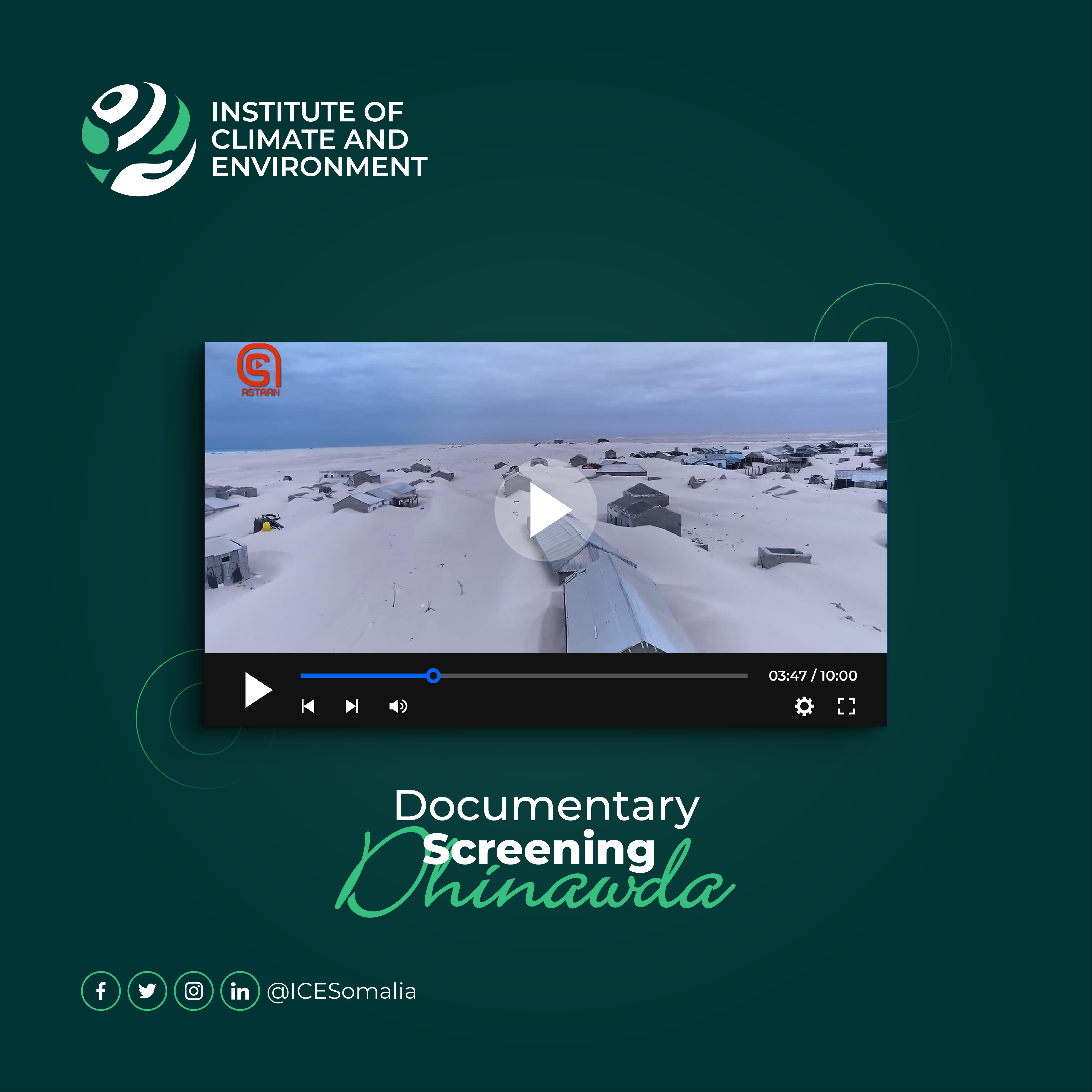
Dhinawda, a city buried by sand dunes
As part of our awareness-raising efforts among the youth to challenge their mindset regarding climate change. We hosted a documentary screening of “Dhinawde”, on July 20th. Over 50 attendees gathered including the director. “Dhinawde” documentary is an emotionally charged portrayal of a village caught in the clutches of an unforgiving climate crisis and a haun
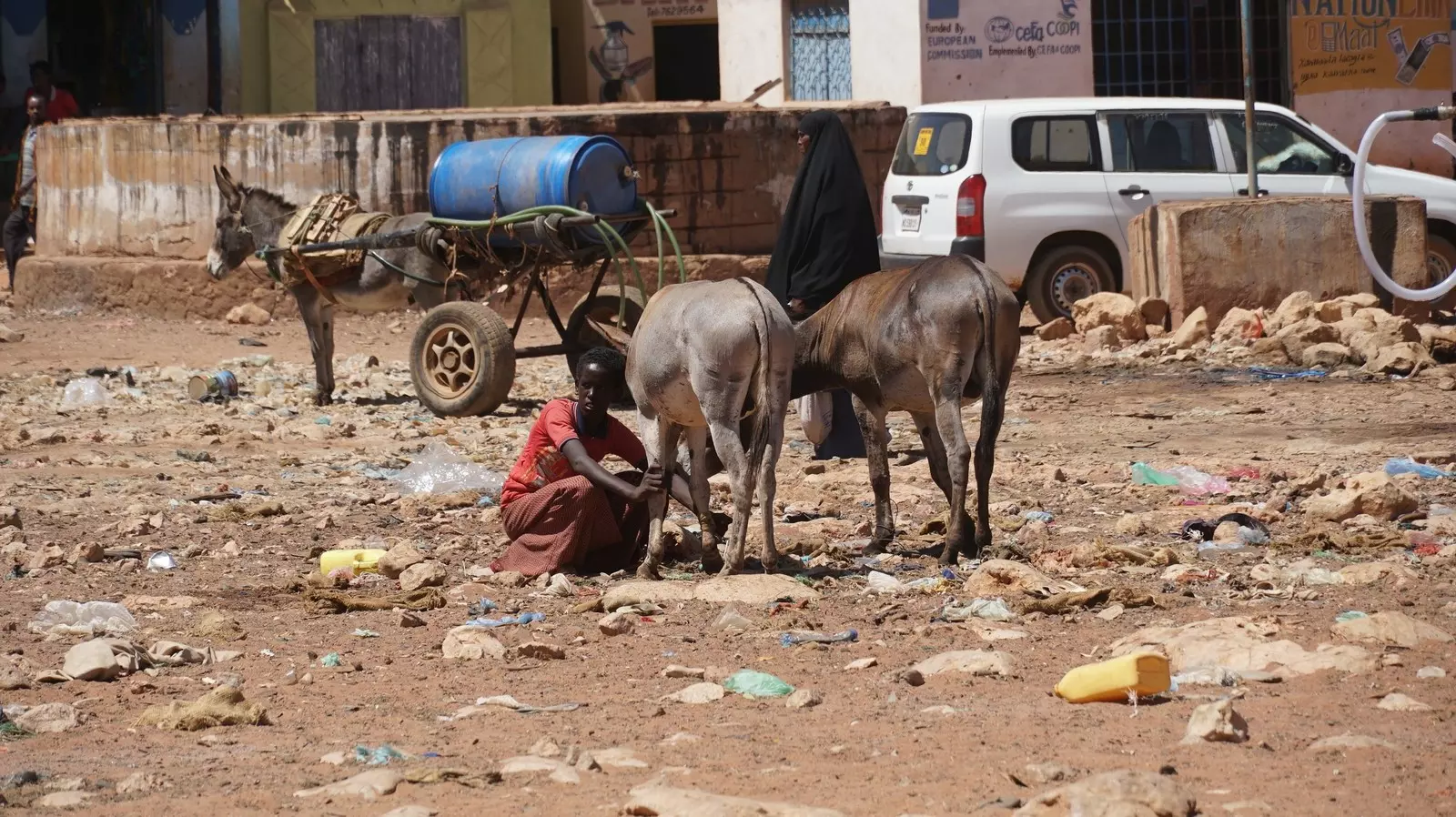
Somalia’s natural ecosystems are under pressure: Sustainable practices can help
Extreme climate events are becoming the norm in Somalia. In the past three decades, the country has faced many ecological crises. The natural environmental ecosystems in Somalia face significant challenges. The country has grappled with climate change, biodiversity loss, land degradation and weak environmental governance. These factors have had detrimental effects on
The State of Mangroves in Somalia: Insights from satellite data
IntroductionMangroves are invaluable ecosystems that play a crucial role in maintaining healthy coastal environments. With their rich biodiversity and ability to protect against erosion and storm surges, mangroves are essential for the ecological balance between land and sea. Unfortunately, due to various factors such as climate change and human development, these eco

Environmental Degradation and Droughts in Somalia: Urgent Call for Sustainable Solutions
For decades, Somalia has faced the most devastating droughts because of the deteriorating environmental conditions. The environmental degradation is attributed to intensive overgrazing, deforestation, and unsustainable land use practices leading to soil degradation and loss of vegetation, which diminished the fertile land. However, it was terrible for farmers to grow

Beating plastic pollution in Mogadishu: 5 things you can do now
In the vibrant city of Mogadishu, plastic pollution has become an ever-growing concern, posing socio-economic, environmental, and health challenges at both local and global levels. It is disheartening to witness plastic waste littering the streets, beaches, and virtually every corner of the city. This pervasive problem demands urgent attention, as it is far from being

Solutions from students: Hack the Plastics Design Challenge
Plastic pollution poses a significant threat to the environment, human health, and the overall well-being of communities. To combat this issue in Mogadishu, ICE Institute organized a one-day Hackathon, “Hack the Plastics,” as part of our commitment to creating a greener, cleaner, and healthier environment in Somalia. The event was held a head of celebratio

Hack the Plastics: A Design Challenge to Beat Plastic Pollution in Mogadishu
Plastic Pollution is choking the people and planet in different ways. The single-use plastic has significant value of usage for humans, but it has life threatening negative effects on the environment, society, economy, and health. According to UNEP, one million plastic bottles are bought globally every minute, and up to five trillion plastic bags are […]

International Biodiversity Day: Facts From Somalia
Biodiversity refers to the whole spectrum of species found throughout the world’s ecosystems, plants, and animals. One of the Horn of Africa’s biodiverse nations with a high concentration of indigenous species is Somalia. The variety and endemism of species in Somalia are well known. There are 1,332 animal species and more than 5,000 plant species, [&helli
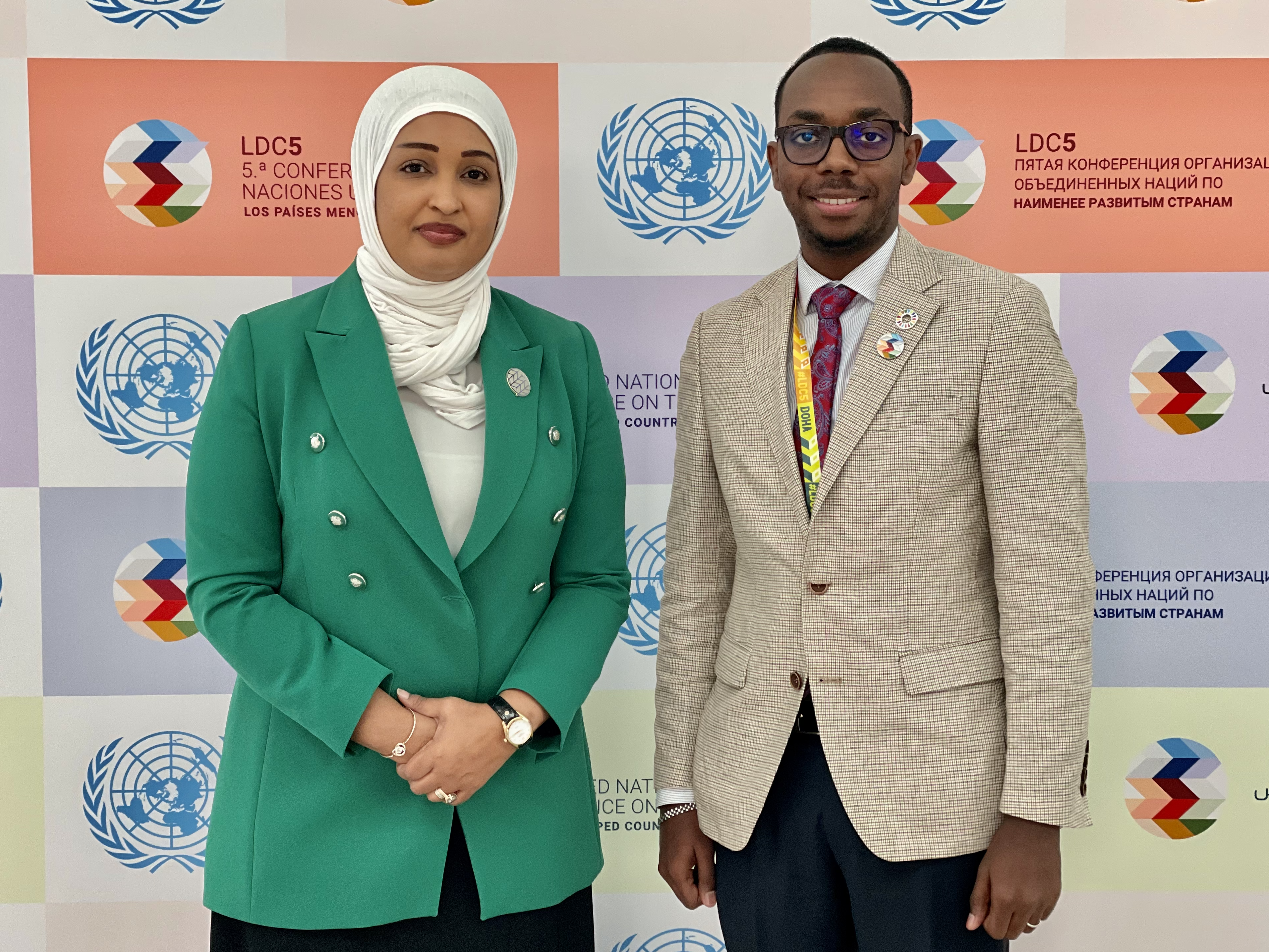
ICE Institute Concludes Successful Week at LDC5 in Doha
The Fifth United Nations Conference on the Least Developed Countries (LDC5) was held in Doha, Qatar from 4-9 March2023. The conference brought together representatives from the world’s least developed countries, as well as development partners, academia, and other stakeholders, to discuss the challenges and opportunities facing the LDCs and to develop a plan of