
Roobabka Gu’ga oo noqda Kheyraad loogu Adkeysankaro Abaaraha Soomaaliya
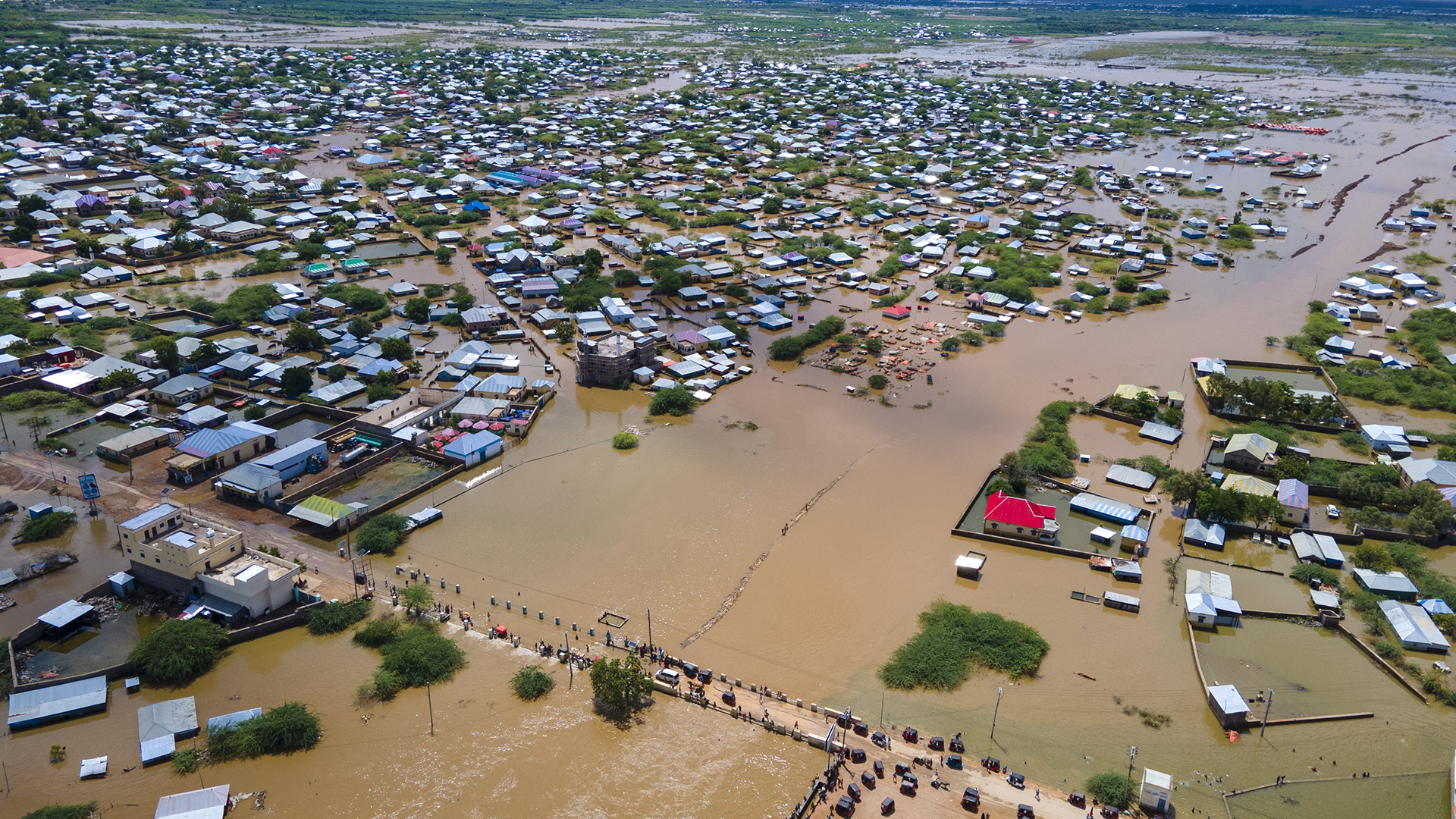
Cimilada Soomaaliya waxaa lagu gartaa isbeddel aad u kala duwan (variability) , halkaas oo abaaraha iyo fatahaaduhu ay mararka qaar isku mar dhacaan oo ay sii xoogaystaan. Xilliga Gu’ga (Abriil–Juun), oo taariikh ahaan ahaa xilliga roobka ugu wax-soo-saarka badan dalka, isla markaana bixiya in ka badan 50% roobka sanadlaha ah, ayaa hadda lala xiriiriyaa fatahaado
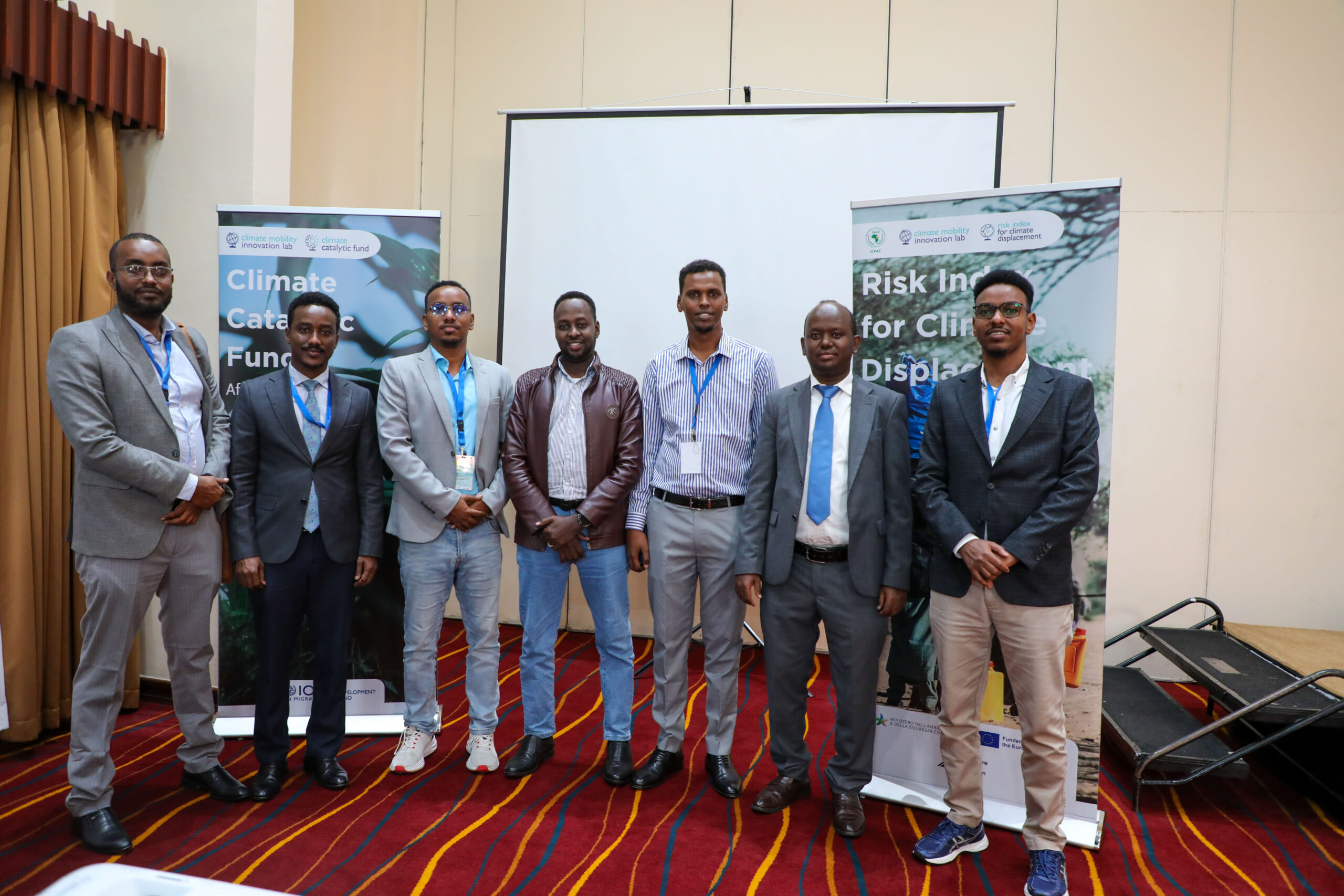
ICE Institute at the Regional Symposium on Climate Mobility
Climate change is already changing how and where people live across Africa. Droughts last longer, floods arrive more often, and entire communities are forced to move. These shifts are no longer isolated events. They are becoming part of everyday reality in many countries, including Somalia. From 24 to 26 March 2026, Ustad Abdikafi Hassan Abdi, […]
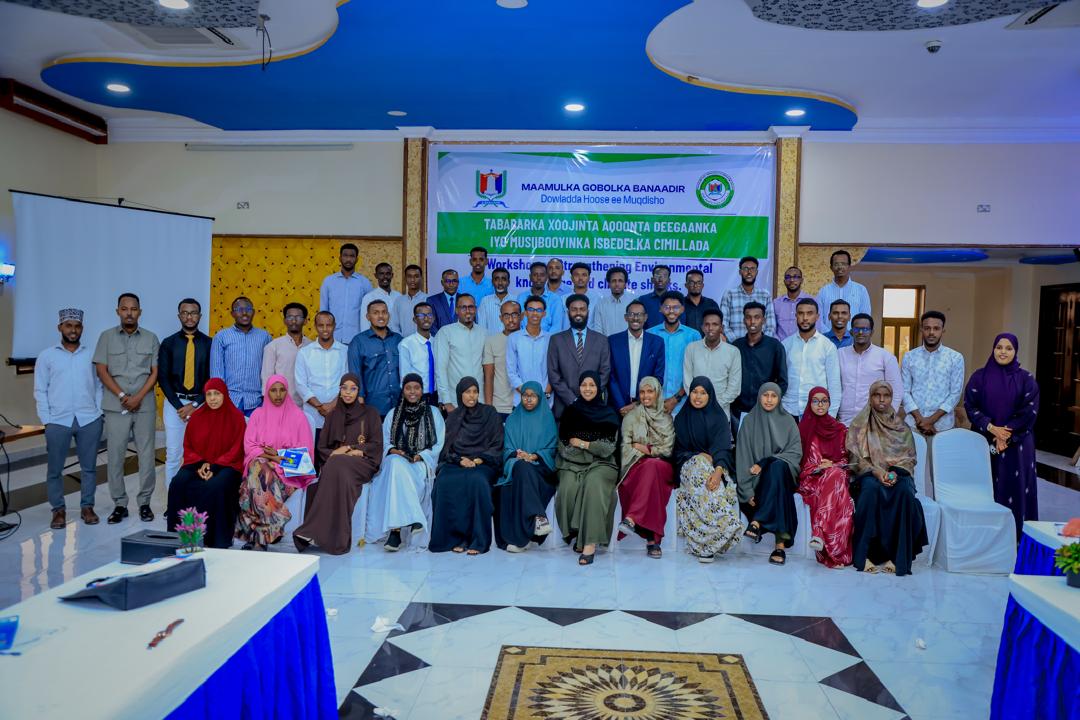
From Awareness to Action: Building Climate Resilience in Mogadishu through Community Preparedness
In a significant step toward strengthening urban climate resilience in Somalia, the Institute of Climate and Environment (ICE) at SIMAD University partnered with the Banadir Regional Administration (BRA) to deliver a three-day intensive workshop on “Strengthening Climate Change Knowledge and Prevention of Climate Shocks through Community Preparedness and Early Warni
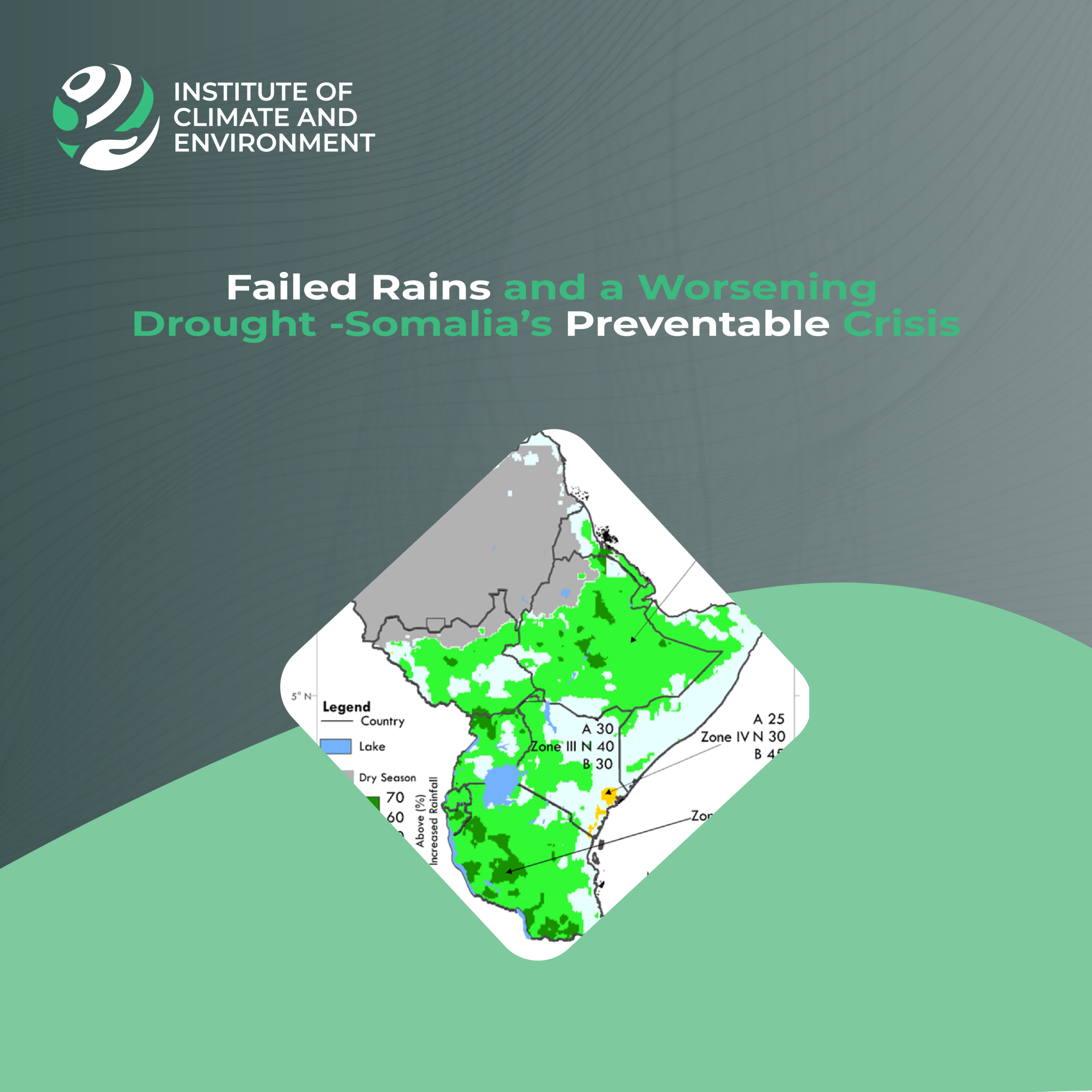
Failed Rains and a Worsening Drought, Somalia’s Preventable Crisis
Somalia is experiencing an increasingly severe drought driven by repeated rainfall failures that have devastated pastoral and agricultural livelihoods. Consecutive poor rainy seasons—particularly the weak Gu rains of April–June 2025 and the near collapse of the Deyr season of October–December 2025—have produced extreme rainfall deficits across much of the coun
Somalia Country Climate and Development Report
Somalia stands at a critical juncture where climate vulnerability and protracted fragility intersect to shape its development trajectory. Despite meaningful progress in macroeconomic stabilisation, completion of the HIPC process, and accession to the East African Community, the country remains highly exposed to intensifying climate shocks. Recurrent droughts, floods,