


ICE Institute at the International Climate Adaptation Forum 2026
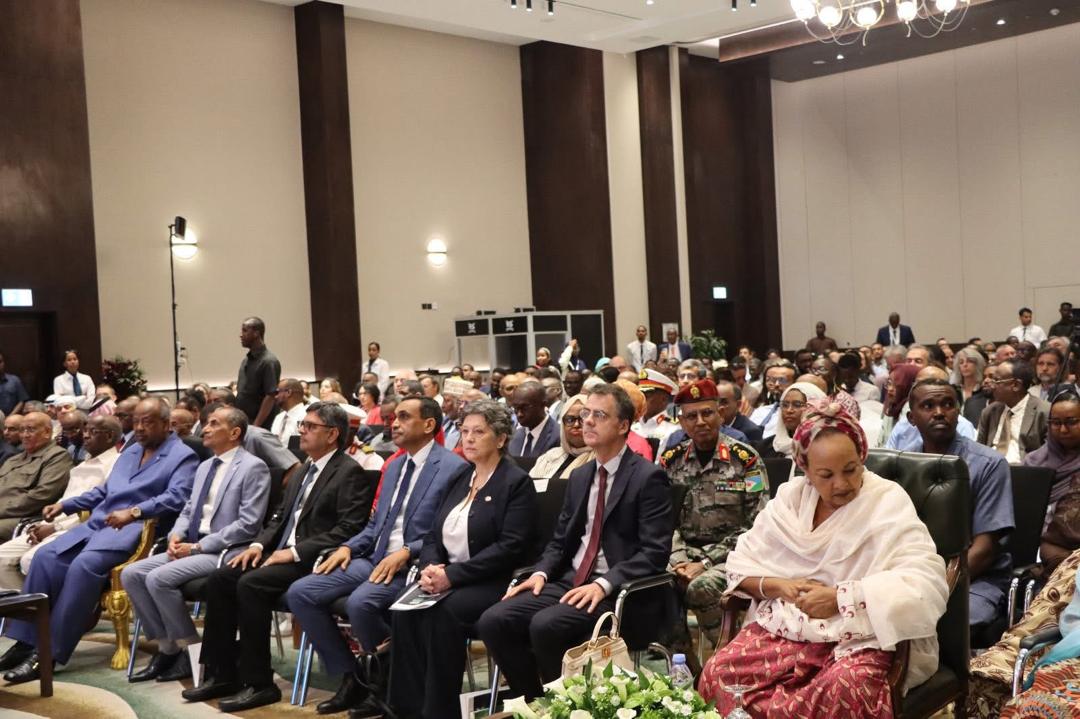
The International Climate Adaptation Forum (ICAF 2026), held in Djibouti City from 19 to 21 January 2026, convened researchers, policymakers, civil society actors, and international organisations from 23 countries, with more than 350 participants engaged in discussions on advancing effective and inclusive climate adaptation. Organised by the Doctoral Alliance for Climate Adaptation (ADAC) under the aegis of the Ministry of Higher Education and Research of Djibouti, the forum reflected a growing recognition that adaptation has become a central pillar of development planning, particularly in climate-vulnerable countries.
SIMAD University was represented at the forum by Ustad Abdikafi Hassan Abdi, Head of Research at the Institute of Climate and Environment (ICE). Our participation contributed perspectives grounded in the realities of climate-exposed countries, drawing particularly on empirical insights from Somalia and the wider Horn of Africa.
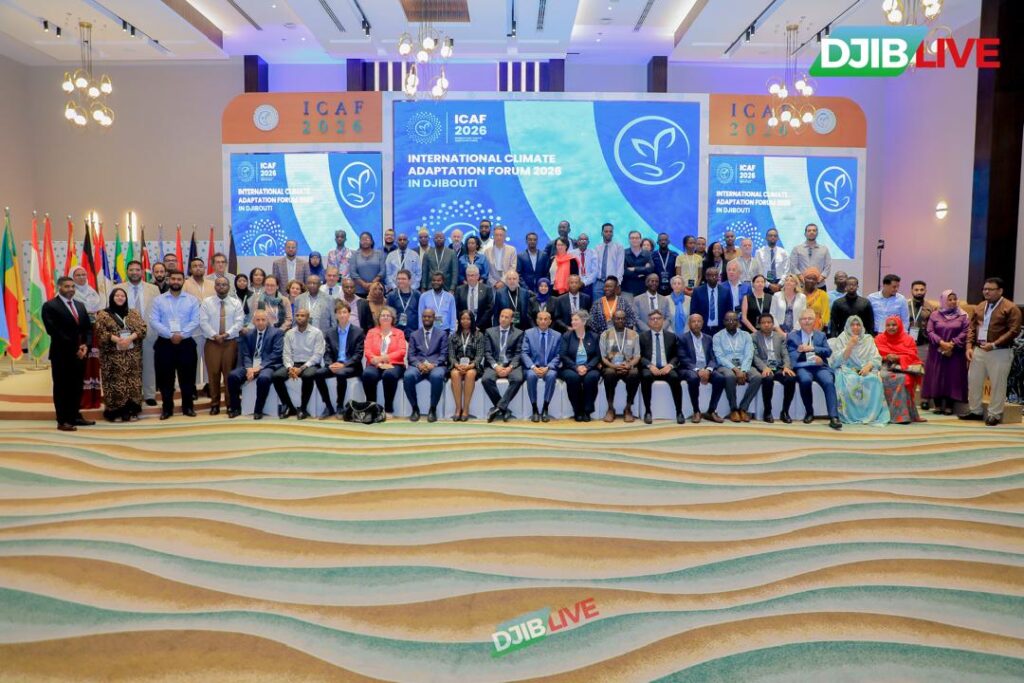
Adaptation-Centred Climate Dialogue
Across East Africa and other highly exposed regions, the impacts of climate change are no longer projected risks but lived realities. Recurrent droughts, floods, heat stress, food insecurity, and water scarcity increasingly interact with poverty, displacement, and weak institutional capacity. ICAF 2026 engaged directly with these challenges by foregrounding adaptation governance, context-responsive innovation, and the role of research institutions in supporting sustained resilience. Discussions consistently presented that effective adaptation requires approaches that are evidence-based, inclusive, and attentive to local socio-economic and political conditions.
Integrating Evidence and Lived Experience into Adaptation Debates
Throughout the forum, exchanges identified the importance of grounding adaptation strategies in empirical research and frontline experience. Contributions indicated that in East Africa, resilience often emerges through local knowledge systems, informal institutions, and community-led coping mechanisms that operate alongside, or in the absence of, formal state capacity.
Such perspectives challenge dominant adaptation frameworks that prioritise technical readiness or institutional formality over vulnerability and lived realities. They also reinforce the need for climate policy and finance mechanisms that better align with the conditions facing countries such as Somalia, where climate stress intersects with food system weakness, displacement, and protracted insecurity.
Broadening the Scope of Adaptation Practice and Participation
A notable feature of ICAF 2026 was its focus on participatory and anticipatory adaptation approaches that actively involve local stakeholders and early-career researchers. Initiatives such as the Priority Innovation and Adaptation Zones (ZAPI) illustrated how socio-ecosystem resilience in East Africa can be strengthened by linking research, policy, and practice while remaining firmly rooted in local contexts. In parallel, the forum created space for broader societal engagement through interactive platforms addressing disaster risk reduction, food and nutrition security, water and ecosystem management, health, renewable energy, and resilient infrastructure.
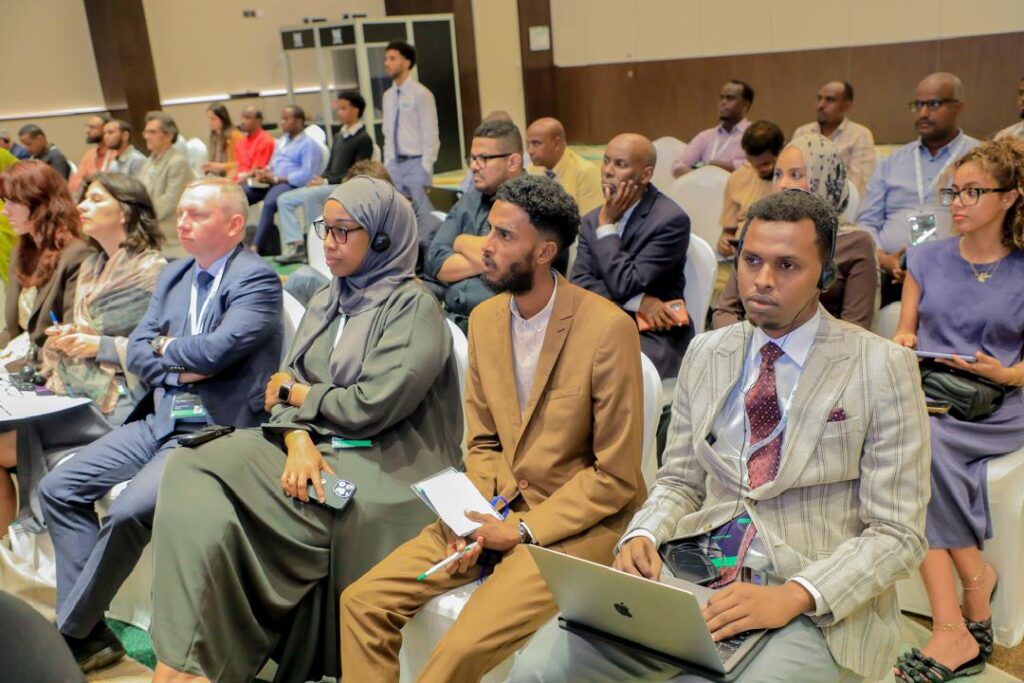
Reflections and Implications
ICAF 2026 reaffirmed that climate adaptation efforts are most effective when informed by the experiences of communities living at the frontlines of climate change. Ensuring that evidence from vulnerable communities informs global adaptation discourse is essential not only for equity, but also for the effectiveness and credibility of adaptation strategies.
For the ICE Institute, participation in ICAF 2026 forms part of a broader commitment to producing policy-relevant research that connects local realities in Somalia and the Horn of Africa with international climate debates. As climate risks continue to intensify, forums such as ICAF demonstrate the importance of bridging global policy spaces and local knowledge systems, enabling adaptation responses that are responsive to where vulnerability is greatest and resilience is most urgently required.