
ICE Institute at the Regional Symposium on Climate Mobility
Climate change is already changing how and where people live across Africa. Droughts last longer, floods arrive more often, and entire communities are forced to move. These shifts are no longer isolated events. They are becoming part of everyday reality in many countries, including Somalia.
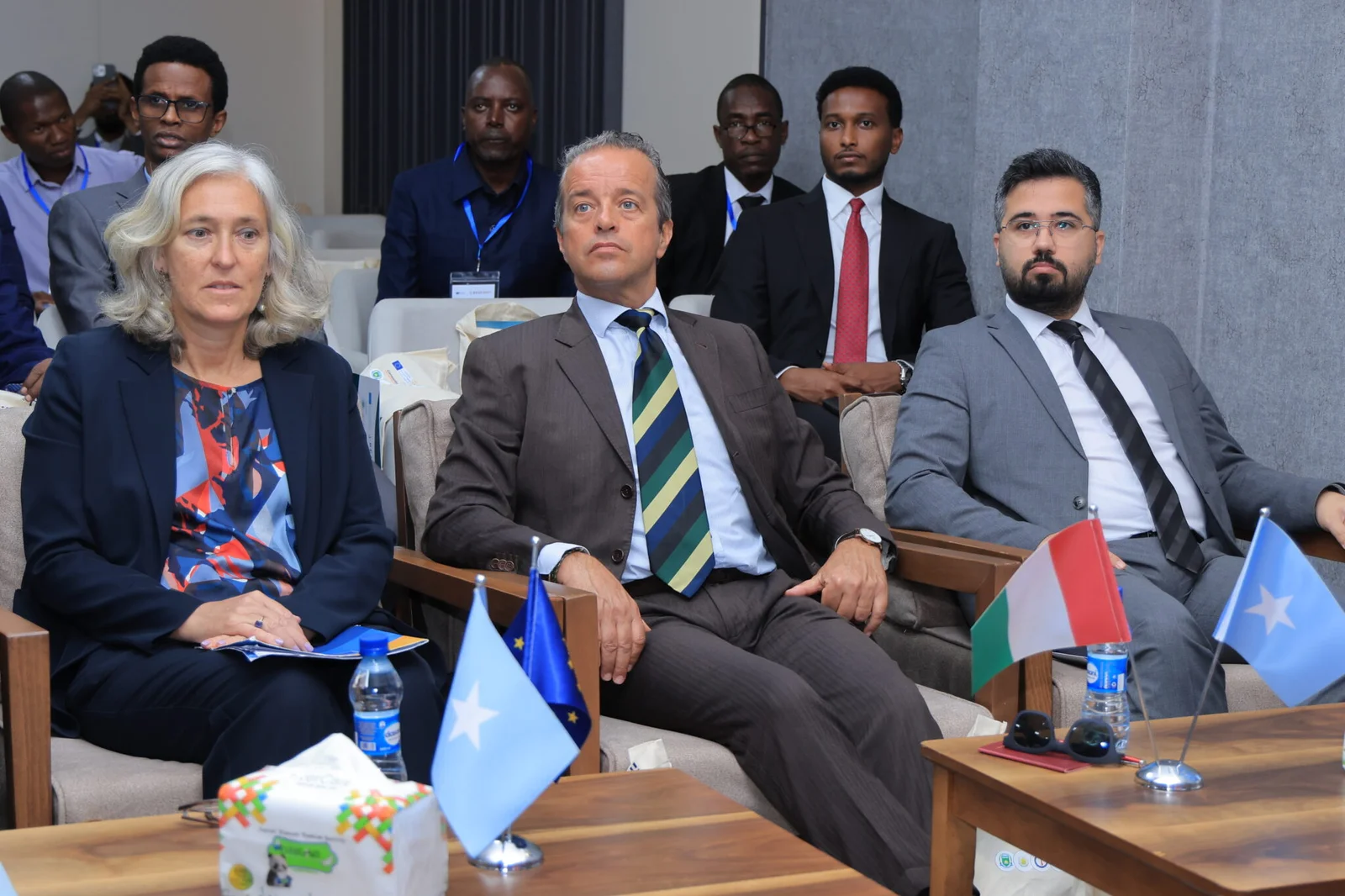
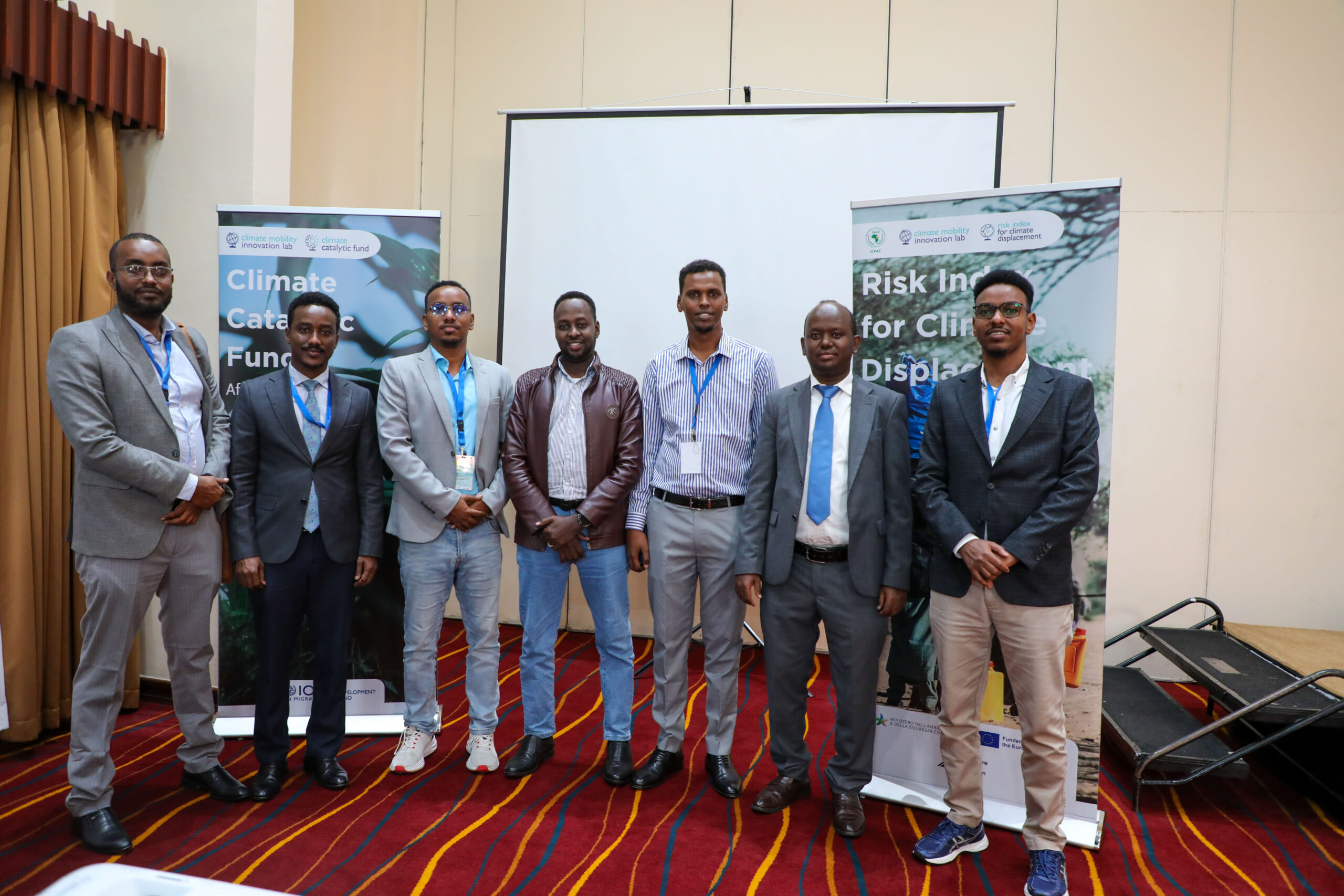
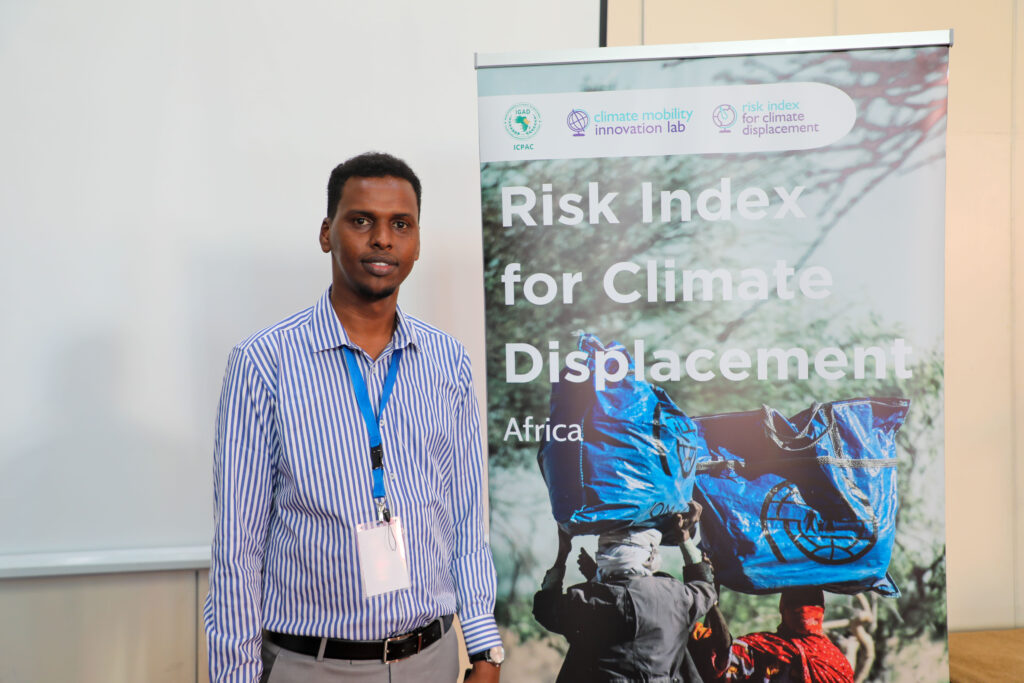
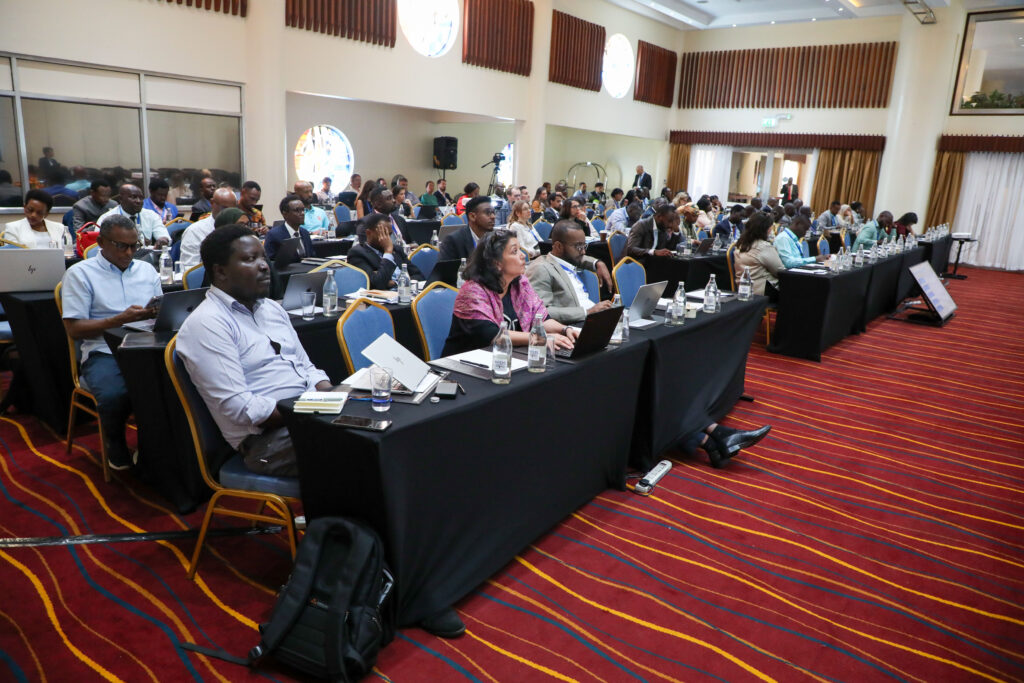
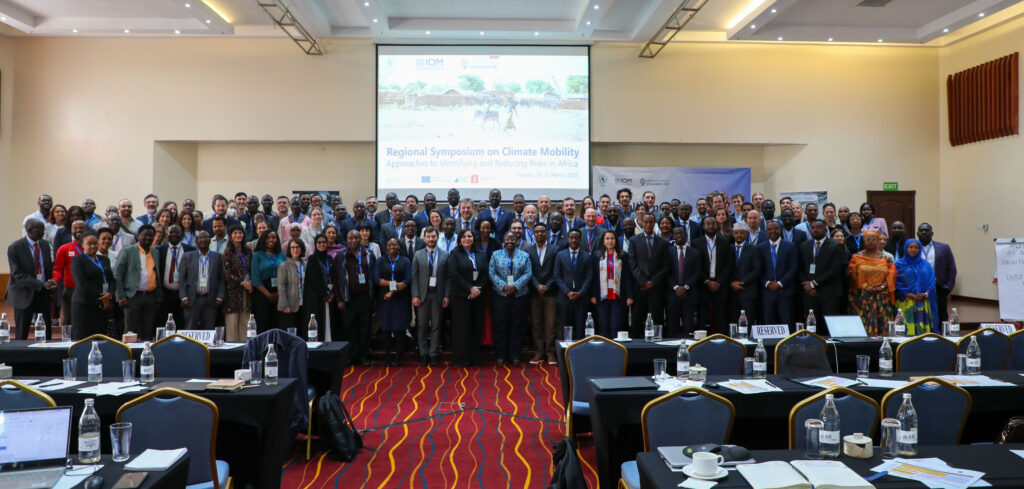
From 24 to 26 March 2026, Ustad Abdikafi Hassan Abdi, representing the Institute of Climate and Environment (ICE) at SIMAD University, participated in the Regional Symposium on Climate Mobility: Approaches to Identifying and Reducing Risks in Africa, held in Nairobi, Kenya. The event was organized by the International Organization for Migration (IOM) together with the Intergovernmental Authority on Development (IGAD) and ICPAC. It brought together governments, researchers, and practitioners working on climate, displacement, and development.
Moving beyond short-term responses
One message came through clearly: climate-related displacement is not temporary. It is becoming a long-term development issue. When people move because of repeated climate shocks, the effects spread across food systems, labor markets, and urban areas.
Discussions focused on the gap between what is happening on the ground and how policies are designed. In many cases, responses still focus on emergency support, while the drivers of displacement continue to build over time. Addressing this requires better data, stronger institutions, and planning that looks ahead rather than reacting after the fact.
Climate mobility and Somali pastoral systems
For Somalia, this conversation is deeply rooted in the country’s pastoral heritage. For generations, Somali communities have practiced transhumance, moving livestock seasonally in search of water and pasture. This mobility has long been a rational and adaptive response to climate variability in arid and semi-arid environments.
However, what is changing today is the nature and pressure of that mobility. Traditional transhumance followed predictable seasonal patterns, supported by indigenous knowledge of grazing routes, water points, and social agreements between communities. Climate change is disrupting these patterns. Rainfall has become more erratic, droughts more frequent, and grazing lands increasingly scarce.
As a result, mobility is shifting from planned seasonal movement to distress-driven displacement. Pastoralists are no longer moving by choice alone, but often out of necessity, with fewer options and higher risks. This transformation has implications for livelihoods, conflict over resources, and the sustainability of pastoral systems.
Building tools that guide action
A major part of the symposium was the ongoing work on the Risk Index for Climate Displacement (RICD). This tool is designed to identify areas where climate-related displacement is most likely to occur that allows governments and partners to act earlier.
For countries in the IGAD region, including Somalia, such tools are particularly relevant. They can help distinguish between adaptive mobility, such as transhumance, and forced displacement, which requires different policy responses.
Linking research and policy
The discussions also pointed to a familiar challenge: research exists, but it does not always feed into decision-making in a timely way. Bridging this gap remains essential. Stronger collaboration between universities, policymakers, and development partners is needed to ensure that evidence is not only produced, but used. Through the Institute of Climate and Environment (ICE), SIMAD University continues to work on these issues, with a focus on how climate shocks, conflict, and socio-economic pressures interact, particularly in Somalia, where pastoral systems remain central to livelihoods.
Climate mobility is already influencing communities, economies, and development pathways across the region. The challenge is not only to respond to displacement, but also to protect and support traditional adaptive systems like transhumance, which have sustained livelihoods for generations. Participation in this symposium reflects SIMAD University’s continued engagement in regional discussions on climate and development, and its commitment to producing research that informs practical, context-specific responses on the ground.